
The Changes - Nicholas Rowe

-25% koodilla BOOKS
Toimitus 10-16 arkipäivässä
30 päivän palautusoikeus
A tour of the classical Greek and Roman legends from the creation of the world to the ascension of Augustus Caesar, composed by Publius Ovidius Naso (Ovid) in English translation. This text was originally published by Jacob Tonson and collected from poets alive and dead: John Dryden, Joseph Addison, Alexander Pope, William Congreve, Laurence Eusden, Arthur Mainwaring, Samuel Croxall, Nahum Tate, Stonestreet ... Täydellinen kuvaus
Saatat myös pitää


 TOP
TOP

"Surely You're Joking, Mr. Feynman!": Adventures of a Curious Character
-25% koodilla BOOKS
Toimittajalla varastossa
TOP

The Let Them Theory: A Life-Changing Tool That Millions of People Cant Stop Talking About
-25% koodilla BOOKS
Toimittajalla varastossa
TOP

Kitchen Confidential: Adventures in the Culinary Underbelly
-25% koodilla BOOKS
Toimittajalla varastossa
TOP
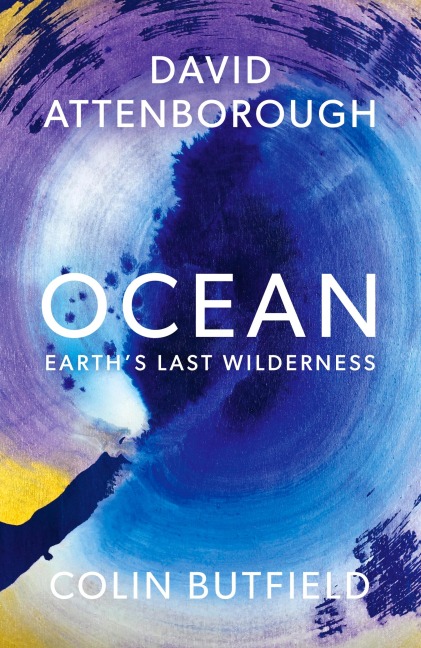
Ocean: Earth's Last Wilderness
David Attenborough, Colin Butfield
-25% koodilla BOOKS
Toimittajalla varastossa
 TOP
TOP

Devotions: The Selected Poems of Mary Oliver
-25% koodilla BOOKS
Toimittajalla varastossa
TOP

Kitchen Confidential. 25th Anniversary Edition
-25% koodilla BOOKS
Toimittajalla varastossa


 TOP
TOP
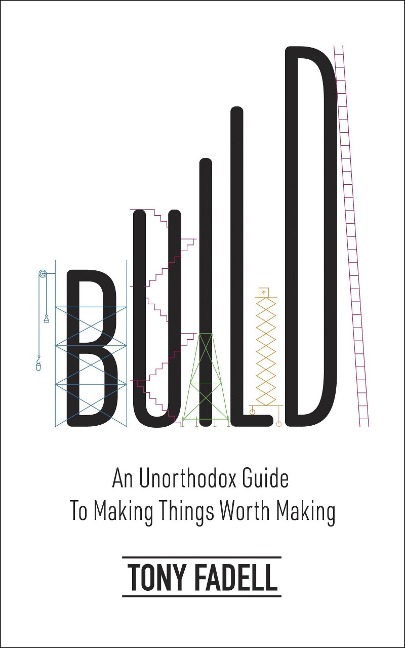
Build: An Unorthodox Guide to Making Things Worth Making
-25% koodilla BOOKS
Toimittajalla varastossa
 TOP
TOP

The Power Broker: Robert Moses and the Fall of New York
-25% koodilla BOOKS
Toimittajalla varastossa
TOP
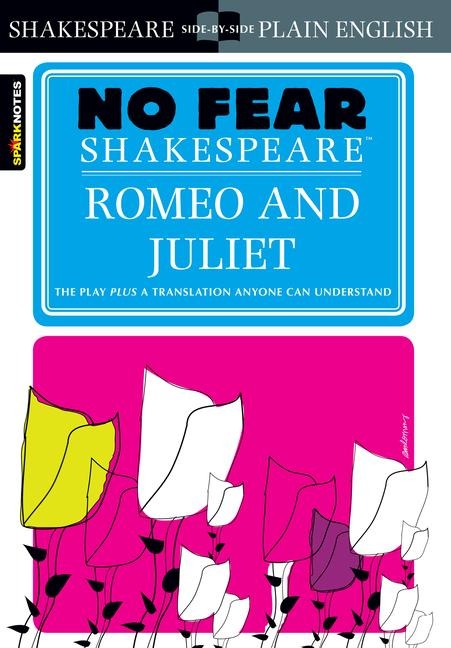
No Fear Shakespeare: Romeo and Juliet
-24% koodilla BOOKS
Toimittajalla varastossa
Kuvaus
A tour of the classical Greek and Roman legends from the creation of the world to the ascension of Augustus Caesar, composed by Publius Ovidius Naso (Ovid) in English translation. This text was originally published by Jacob Tonson and collected from poets alive and dead: John Dryden, Joseph Addison, Alexander Pope, William Congreve, Laurence Eusden, Arthur Mainwaring, Samuel Croxall, Nahum Tate, Stonestreet, John Gay, Alexander Catcott, Temple Stanyan, Nicholas Rowe, Stephen Harvey, James Vernon, Samuel Garth. modernized by Sasha Newborn This work inclues over a hundred tales of metamorphoses resulting from human interaction with gods and goddesses. The stories begin with the creation of the world, a second creation after a flood, familiar stories of Cadmus, Perseus, Bacchus, Medea and Jason, Theseus, Troy, the Calydon Boar Hunt, the battle with the Centaurs, and many little-known tales. All of this set in iambic pentameter verse and running over 500 pages. We know the authors of some of the segments but attribution of every section is no longer possible. Ovid is a Roman poet, writing in Latin for a Roman audience about Greek mythology, just at the time that the Roman Republic was overthrown. Specifically, he makes a monumental effort to string these myths together as if it were all a sequential tale, leading from the very creation of the world to the clouded origins of Rome built by the remnants of fleeing Trojans, right up to his obsequious praise of Augustus Caesar, the new ruler in power during Ovid's lifetime. Politics aside, Ovid provides us the gift of thoroughly exploring the heritage of the European polytheistic world. These were not merely bedtime stories for children. Myth, as Karen Armstrong reminds us, meant stories of gods and goddesses that are still around. This web of mythology would continue to make sense of Roman Emperors being declared gods, or a horse being elected as a Senator. Cities often had their own gods or goddesses as guardians. Or one might pray specifically to a deity having special interest over, say, childbirth, or agriculture, or navigation. My personal revelation after diving into this pre- Christian worldview for months, was to allow myself to inhabit in a visceral way the mind-set of the classical world. No moral commandments written in stone or in a sacred text to follow; rather, the requirement was to honor the gods and goddesses-whose actions and emotions were, alarmingly, quite similar to human actions and emotions but with much greater consequences. Offerings to gods were expected, but no bedtime prayers-though one might beseech a goddess or god to become involved in a personal struggle. The gods had their own household dramas, such as Jove's wanton infidelity to his wife Juno, with actions that might have serious side effects in the human world. That's how demi-gods were born, for instance. Ovid's theme throughout is on transformations in these stories-women to bats or a spider or a tree, demigods born of a godly rape, a whole race which may be half-horse, half-human (the centaurs), people who become rivers or rocks or cows-as a consequence of overweening pride or neglect of worshipful ritual, or perhaps just at the whim of a god or goddess. One might be raised up or cast down. And a few might be heroes vanquishing fearsome foes. Being human was not the only option. Given this mythic dimension of a world alive at every turn, it's easy to see why polytheists regularly charged Christians with being atheists, since they denied the existence of so many gods, and sought comfort in only one, and a distant one at that. Christian heaven, they felt, must be a lonely place with such a restrictive attitude. At the time of Augustus Caesar, this plentiful field of deities of all shades and shapes was the norm for almost the whole Mediterranean basin. Other world cultures likewise had their pantheons of spirits and gods and goddesses-and many still do.
Lisätietoja
| Kirjoittaja | Nicholas Rowe |
|---|---|
| Julkaisija | BANDANNA BOOKS |
| Julkaisuvuosi | 2015 |
| Kannen tyyppi | Pehmeäkantinen |
| EAN | 9780942208191 |