
Abductive Inference Models for Diagnostic Problem-Solving - James A. Reggia,Yun Peng

-25% koodilla BOOKS
Toimitus 17-23 arkipäivässä
30 päivän palautusoikeus
Making a diagnosis when something goes wrong with a natural or m- made system can be difficult. In many fields, such as medicine or electr- ics, a long training period and apprenticeship are required to become a skilled diagnostician. During this time a novice diagnostician is asked to assimilate a large amount of knowledge about the class of systems to be diagnosed. In contrast, the novice is not really ta ... Täydellinen kuvaus
Saatat myös pitää
 TOP
TOP

If Anyone Builds It, Everyone Dies: Why Superhuman AI Would Kill Us All
Eliezer Yudkowsky, Nate Soares
-25% koodilla BOOKS
Toimittajalla varastossa
 TOP
TOP

How To Think About AI: A Guide For The Perplexed
-25% koodilla BOOKS
Toimittajalla varastossa
TOP

Gödel, Escher, Bach: An Eternal Golden Braid
-25% koodilla BOOKS
Toimittajalla varastossa
TOP
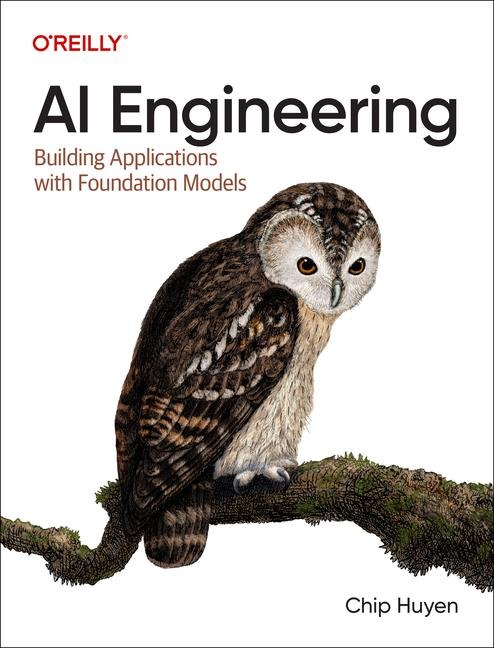
AI Engineering: Building Applications with Foundation Models
-25% koodilla BOOKS
Toimittajalla varastossa
TOP

Empire of AI: Dreams and Nightmares in Sam Altman's OpenAI
-25% koodilla BOOKS
Toimittajalla varastossa
TOP


The Rust Programming Language
Steve Klabnik, Carol Nichols, Chris Krycho
-25% koodilla BOOKS
Toimittajalla varastossa
TOP
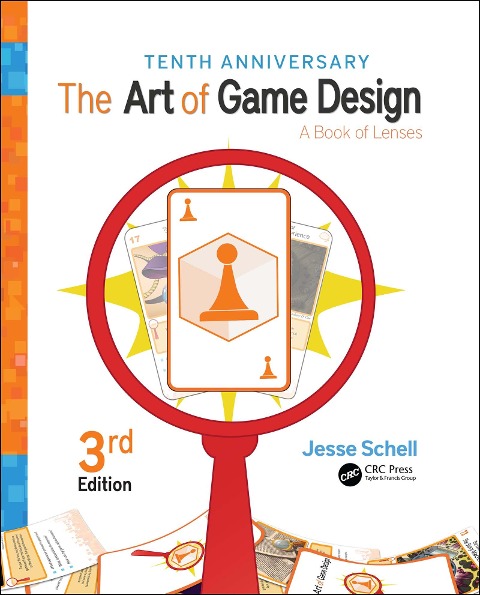
The Art of Game Design: A Book of Lenses
-25% koodilla BOOKS
Toimittajalla varastossa
TOP
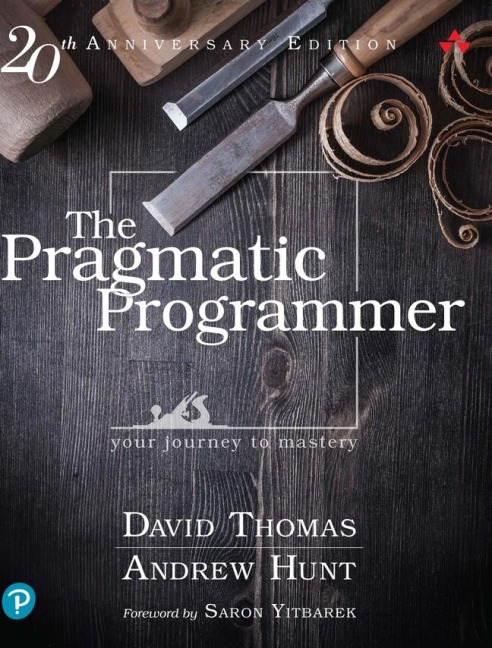
The Pragmatic Programmer: journey to mastery, 20th Anniversary Edition, 2/e: your journey to mastery, 20th Anniversary Edition
-25% koodilla BOOKS
Toimittajalla varastossa
TOP
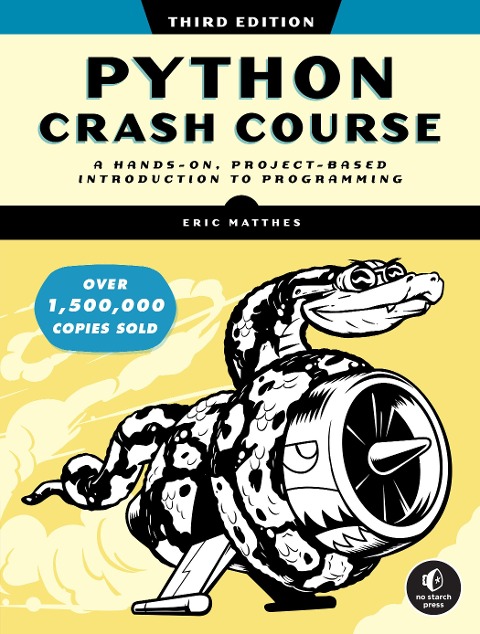
Python Crash Course: A Hands-On, Project-Based Introduction to Programming
-25% koodilla BOOKS
Toimittajalla varastossa
TOP
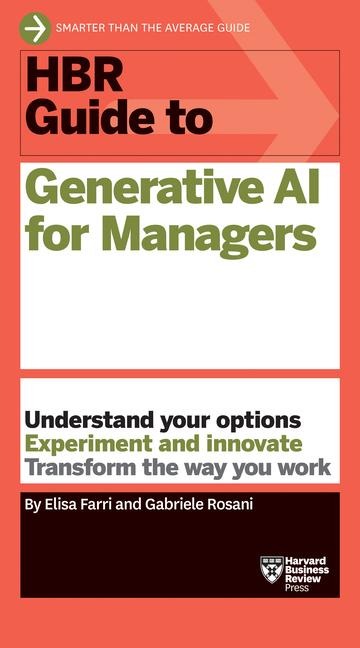
HBR Guide to Generative AI for Managers
-25% koodilla BOOKS
Toimittajalla varastossa
TOP

How to Talk to AI: (And How Not To)
-25% koodilla BOOKS
Toimittajalla varastossa
TOP

Hackers. 25th Anniversary Edition: Heroes of the Computer Revolution
-25% koodilla BOOKS
Toimittajalla varastossa
TOP

How Linux Works: What Every Superuser Should Know
-25% koodilla BOOKS
Toimittajalla varastossa
TOP
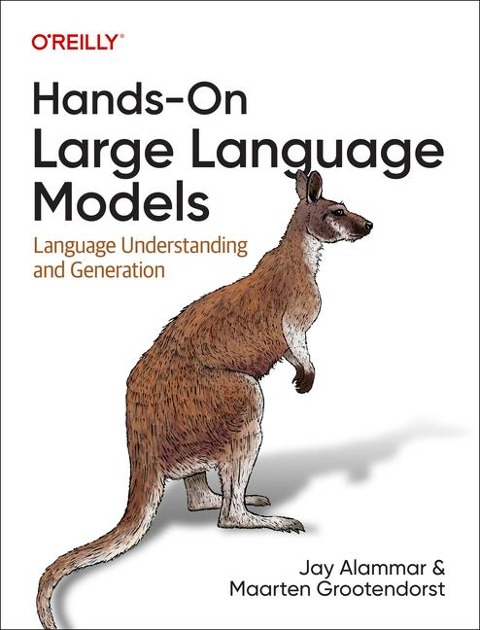
Hands-On Large Language Models: Language Understanding and Generation
Maarten Grootendorst, Jay Alammar
-25% koodilla BOOKS
Toimittajalla varastossa
TOP

Fundamentals of Software Architecture: A Modern Engineering Approach
-25% koodilla BOOKS
Toimittajalla varastossa
TOP
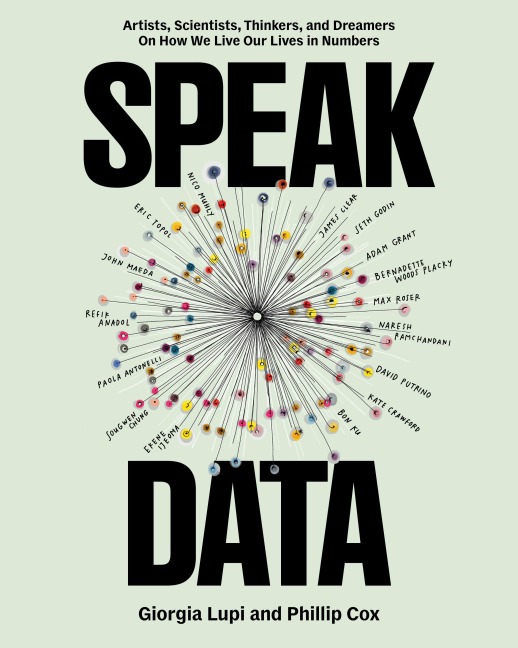
Speak Data: Artists, Scientists, Thinkers, and Dreamers on How We Live Our Lives in Numbers
-25% koodilla BOOKS
Toimittajalla varastossa
TOP

World of Warcraft Chronicle, Volume 2
-25% koodilla BOOKS
Toimittajalla varastossa
TOP

Linux Basics for Hackers, 2nd Edition: Getting Started with Networking, Scripting, and Security in Kali
-25% koodilla BOOKS
Toimittajalla varastossa
TOP
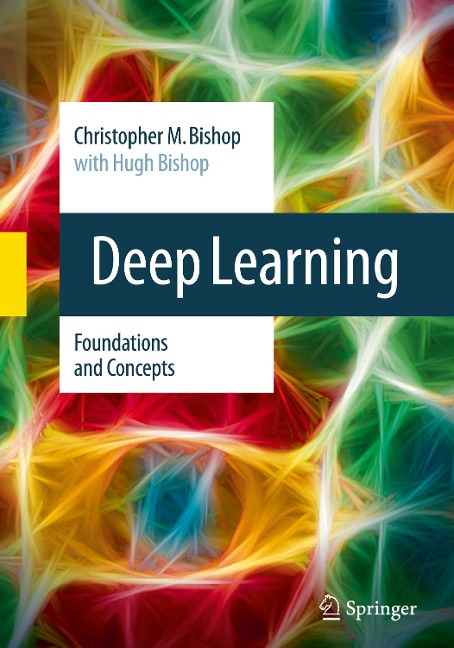
Deep Learning: Foundations and Concepts
Christopher M. Bishop, Hugh Bishop
-25% koodilla BOOKS
Toimittajalla varastossa
Kuvaus
Making a diagnosis when something goes wrong with a natural or m- made system can be difficult. In many fields, such as medicine or electr- ics, a long training period and apprenticeship are required to become a skilled diagnostician. During this time a novice diagnostician is asked to assimilate a large amount of knowledge about the class of systems to be diagnosed. In contrast, the novice is not really taught how to reason with this knowledge in arriving at a conclusion or a diagnosis, except perhaps implicitly through ease examples. This would seem to indicate that many of the essential aspects of diagnostic reasoning are a type of intuiti- based, common sense reasoning. More precisely, diagnostic reasoning can be classified as a type of inf- ence known as abductive reasoning or abduction. Abduction is defined to be a process of generating a plausible explanation for a given set of obs- vations or facts. Although mentioned in Aristotle's work, the study of f- mal aspects of abduction did not really start until about a century ago.
Lisätietoja
| Kirjoittaja | James A. Reggia, Yun Peng |
|---|---|
| Julkaisija | Springer US |
| Series | Artificial Intelligence |
| Julkaisuvuosi | 1990 |
| Kannen tyyppi | Kovakantinen |
| EAN | 9780387973432 |