
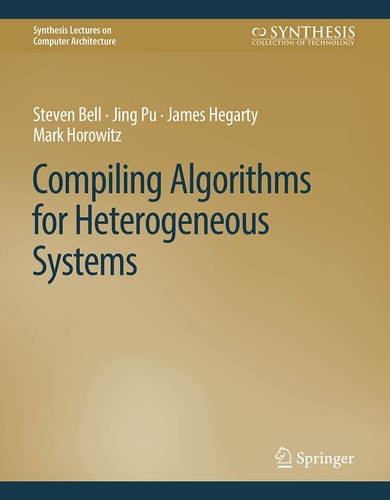
Compiling Algorithms for Heterogeneous Systems - Steven Bell,Jing Pu,James Hegarty,Mark Horowitz
-25% koodilla BOOKS
Toimitus 10-16 arkipäivässä
30 päivän palautusoikeus
Most emerging applications in imaging and machine learning must perform immense amounts of computation while holding to strict limits on energy and power. To meet these goals, architects are building increasingly specialized compute engines tailored for these specific tasks. The resulting computer systems are heterogeneous, containing multiple processing cores with wildly different execution models. Unfortu ... Täydellinen kuvaus
Saatat myös pitää
 TOP
TOP

If Anyone Builds It, Everyone Dies: Why Superhuman AI Would Kill Us All
Eliezer Yudkowsky, Nate Soares
-25% koodilla BOOKS
Toimittajalla varastossa
 TOP
TOP

Gödel, Escher, Bach: An Eternal Golden Braid
-25% koodilla BOOKS
Toimittajalla varastossa
TOP
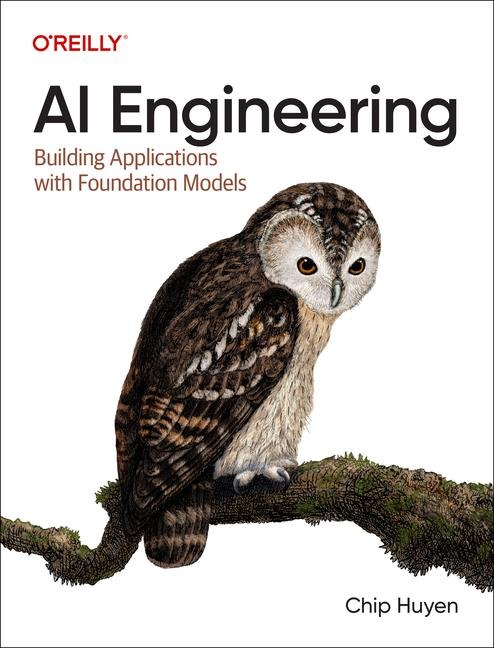
AI Engineering: Building Applications with Foundation Models
-25% koodilla BOOKS
Toimittajalla varastossa
TOP
Empire of AI: Dreams and Nightmares in Sam Altman's OpenAI
-25% koodilla BOOKS
Toimittajalla varastossa
TOP


The Rust Programming Language
Steve Klabnik, Carol Nichols, Chris Krycho
-25% koodilla BOOKS
Toimittajalla varastossa
TOP
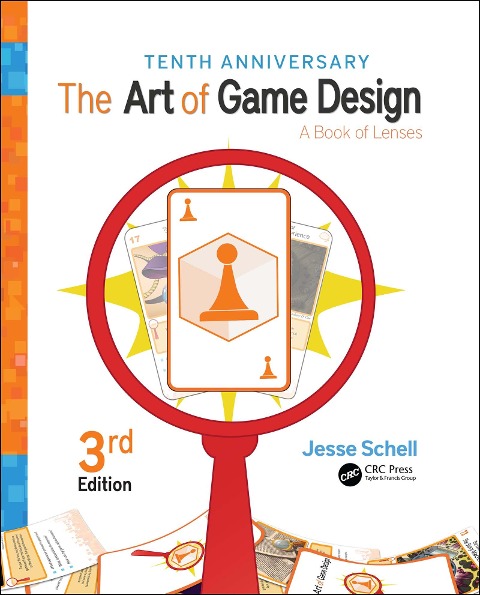
The Art of Game Design: A Book of Lenses
-25% koodilla BOOKS
Toimittajalla varastossa
TOP
How To Think About AI: A Guide For The Perplexed
-25% koodilla BOOKS
Toimittajalla varastossa
TOP
The Pragmatic Programmer: journey to mastery, 20th Anniversary Edition, 2/e: your journey to mastery, 20th Anniversary Edition
-25% koodilla BOOKS
Toimittajalla varastossa
TOP
HBR Guide to Generative AI for Managers
-25% koodilla BOOKS
Toimittajalla varastossa
TOP
Hackers. 25th Anniversary Edition: Heroes of the Computer Revolution
-25% koodilla BOOKS
Toimittajalla varastossa
TOP

The Web Application Hacker's Handbook: Discovering and Exploiting Security Flaws
-25% koodilla BOOKS
Toimittajalla varastossa
TOP

How Linux Works: What Every Superuser Should Know
-25% koodilla BOOKS
Toimittajalla varastossa
TOP
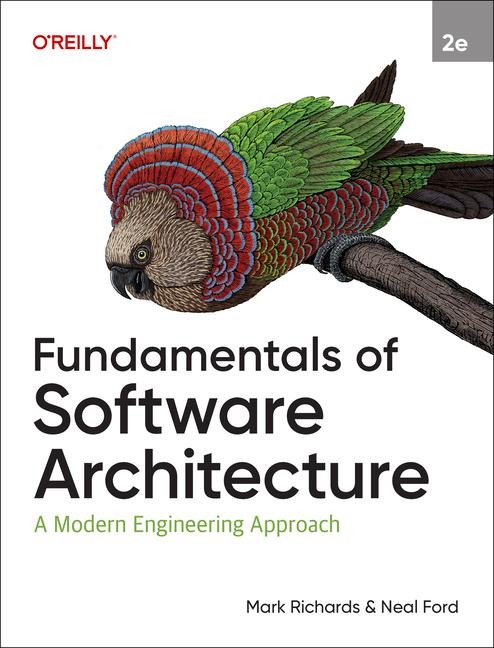
Fundamentals of Software Architecture: A Modern Engineering Approach
-25% koodilla BOOKS
Toimittajalla varastossa
TOP
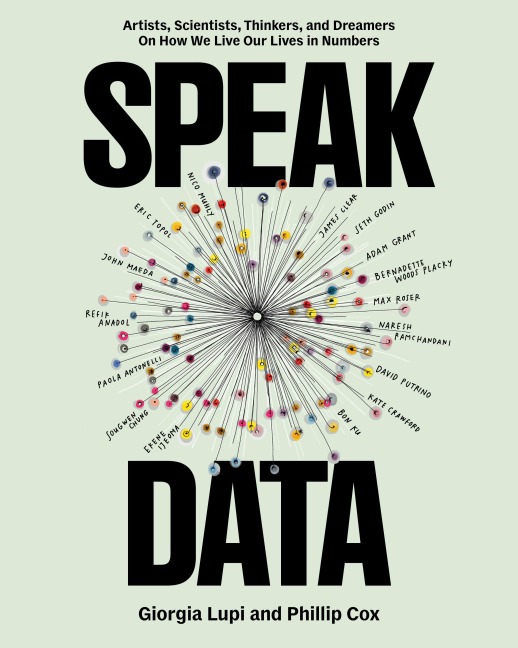
Speak Data: Artists, Scientists, Thinkers, and Dreamers on How We Live Our Lives in Numbers
-25% koodilla BOOKS
Toimittajalla varastossa
TOP

Linux Basics for Hackers, 2nd Edition: Getting Started with Networking, Scripting, and Security in Kali
-25% koodilla BOOKS
Toimittajalla varastossa
TOP
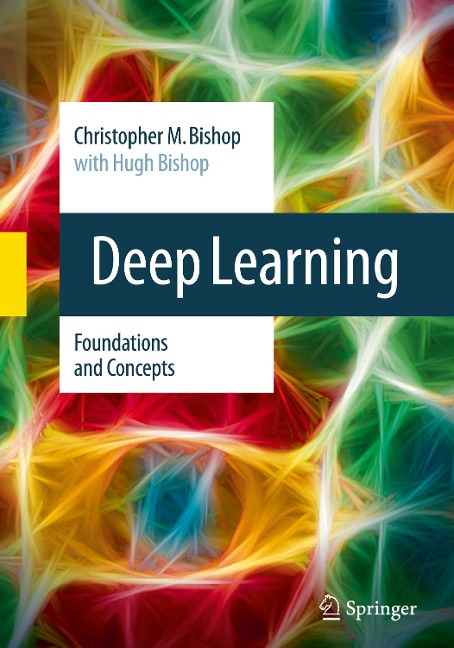
Deep Learning: Foundations and Concepts
Christopher M. Bishop, Hugh Bishop
-25% koodilla BOOKS
Toimittajalla varastossa
TOP
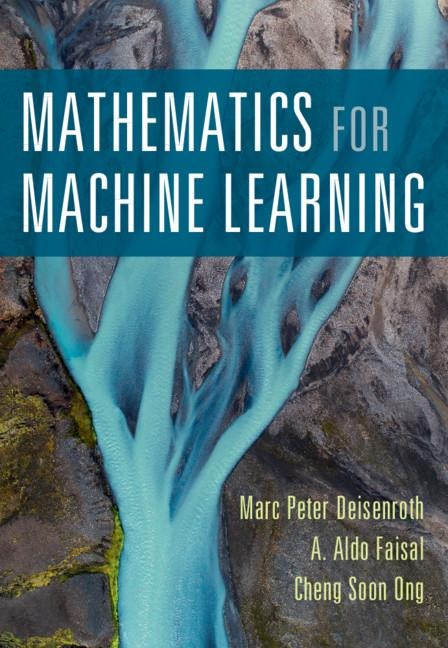
Mathematics for Machine Learning
Cheng Soon Ong, A. Aldo Faisal, Marc Peter Deisenroth
-25% koodilla BOOKS
Toimittajalla varastossa
 TOP
TOP
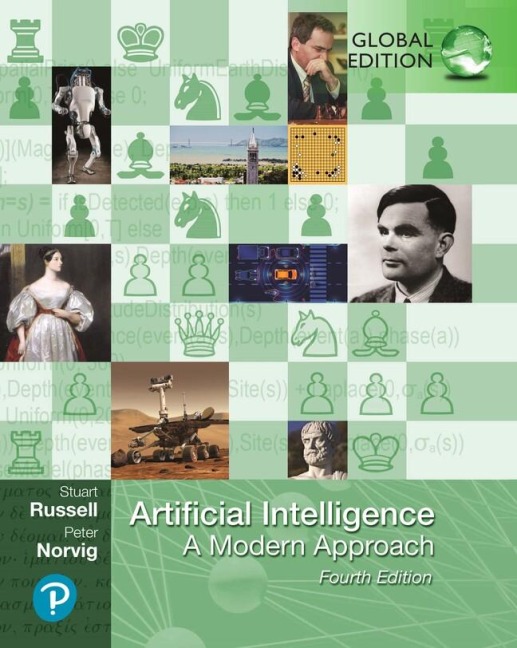
Artificial Intelligence: A Modern Approach, Global Edition
-25% koodilla BOOKS
Toimittajalla varastossa
Kuvaus
Most emerging applications in imaging and machine learning must perform immense amounts of computation while holding to strict limits on energy and power. To meet these goals, architects are building increasingly specialized compute engines tailored for these specific tasks. The resulting computer systems are heterogeneous, containing multiple processing cores with wildly different execution models. Unfortunately, the cost of producing this specialized hardware—and the software to control it—is astronomical. Moreover, the task of porting algorithms to these heterogeneous machines typically requires that the algorithm be partitioned across the machine and rewritten for each specific architecture, which is time consuming and prone to error.
Over the last several years, the authors have approached this problem using domain-specific languages (DSLs): high-level programming languages customized for specific domains, such as database manipulation, machine learning, or image processing. By giving up generality, these languages are able to provide high-level abstractions to the developer while producing high-performance output. The purpose of this book is to spur the adoption and the creation of domain-specific languages, especially for the task of creating hardware designs.
In the first chapter, a short historical journey explains the forces driving computer architecture today. Chapter 2 describes the various methods for producing designs for accelerators, outlining the push for more abstraction and the tools that enable designers to work at a higher conceptual level. From there, Chapter 3 provides a brief introduction to image processing algorithms and hardware design patterns for implementing them. Chapters 4 and 5 describe and compare Darkroom and Halide, two domain-specific languages created for image processing that produce high-performance designs for both FPGAs and CPUs from the same source code, enabling rapid design cycles and quick porting of algorithms. The final section describes how the DSL approach also simplifies the problem of interfacing between application code and the accelerator by generating the driver stack in addition to the accelerator configuration.
This book should serve as a useful introduction to domain-specialized computing for computer architecture students and as a primer on domain-specific languages and image processing hardware for those with more experience in the field.
Lisätietoja
| Kirjoittaja | Steven Bell, Jing Pu, James Hegarty, Mark Horowitz |
|---|---|
| Julkaisija | Springer International Publishing |
| Julkaisuvuosi | 2018 |
| Kannen tyyppi | Kovakantinen |
| EAN | 9783031000553 |