
Computational Complexity: A Quantitative Perspective - Marius Zimand

-25% koodilla BOOKS
Toimitus 10-16 arkipäivässä
30 päivän palautusoikeus
There has been a common perception that computational complexity is a theory of "bad news" because its most typical results assert that various real-world and innocent-looking tasks are infeasible. In fact, "bad news" is a relative term, and, indeed, in some situations (e.g., in cryptography), we want an adversary to not be able to perform a certain task. However, a "bad news" result does not automatically ... Täydellinen kuvaus
Saatat myös pitää
 TOP
TOP

Gödel, Escher, Bach: An Eternal Golden Braid
-25% koodilla BOOKS
Toimittajalla varastossa
TOP

If Anyone Builds It, Everyone Dies: Why Superhuman AI Would Kill Us All
Eliezer Yudkowsky, Nate Soares
-25% koodilla BOOKS
Toimittajalla varastossa
TOP
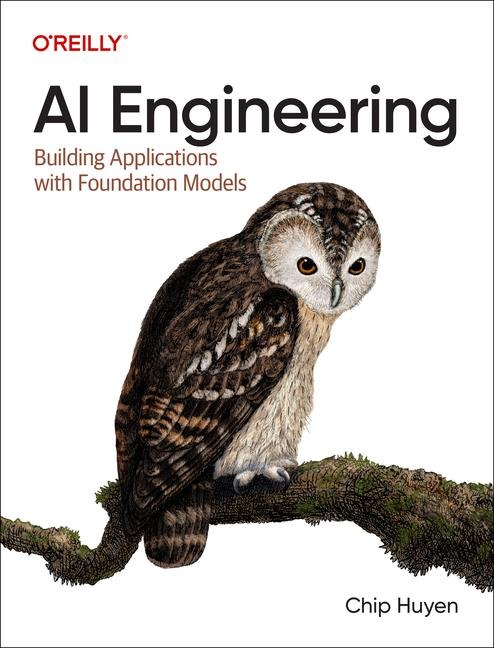
AI Engineering: Building Applications with Foundation Models
-25% koodilla BOOKS
Toimittajalla varastossa
TOP
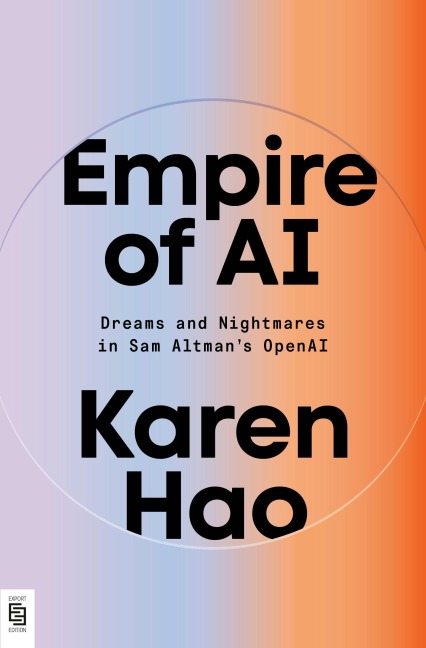
Empire of AI: Dreams and Nightmares in Sam Altman's OpenAI
-25% koodilla BOOKS
Toimittajalla varastossa
TOP
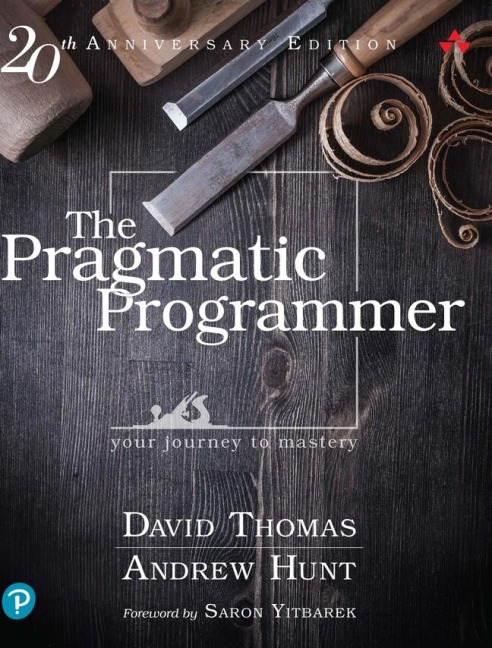
The Pragmatic Programmer: journey to mastery, 20th Anniversary Edition, 2/e: your journey to mastery, 20th Anniversary Edition
-25% koodilla BOOKS
Toimittajalla varastossa
TOP


The Rust Programming Language
Steve Klabnik, Carol Nichols, Chris Krycho
-25% koodilla BOOKS
Toimittajalla varastossa
TOP
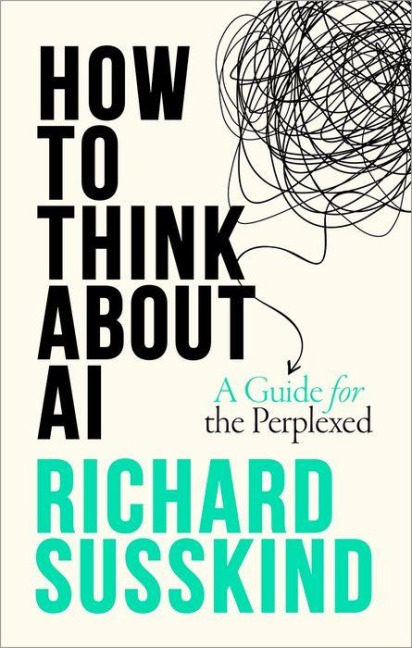
How To Think About AI: A Guide For The Perplexed
-25% koodilla BOOKS
Toimittajalla varastossa
TOP
Slanted 47 Digital Tools: Slanted Magazine
-25% koodilla BOOKS
Toimittajalla varastossa
TOP
The Web Application Hacker's Handbook: Discovering and Exploiting Security Flaws
-25% koodilla BOOKS
Toimittajalla varastossa
TOP
The Art of Game Design: A Book of Lenses
-25% koodilla BOOKS
Toimittajalla varastossa
TOP

How Linux Works: What Every Superuser Should Know
-25% koodilla BOOKS
Toimittajalla varastossa
TOP
Artificial Intelligence: A Modern Approach, Global Edition
-25% koodilla BOOKS
Toimittajalla varastossa
TOP
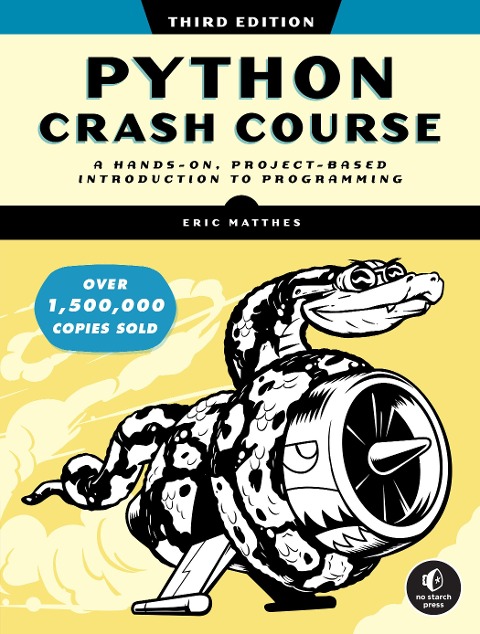
Python Crash Course: A Hands-On, Project-Based Introduction to Programming
-25% koodilla BOOKS
Toimittajalla varastossa
TOP

CompTIA Security+ Certification Kit: Exam SY0-701
-25% koodilla BOOKS
Toimittajalla varastossa
TOP
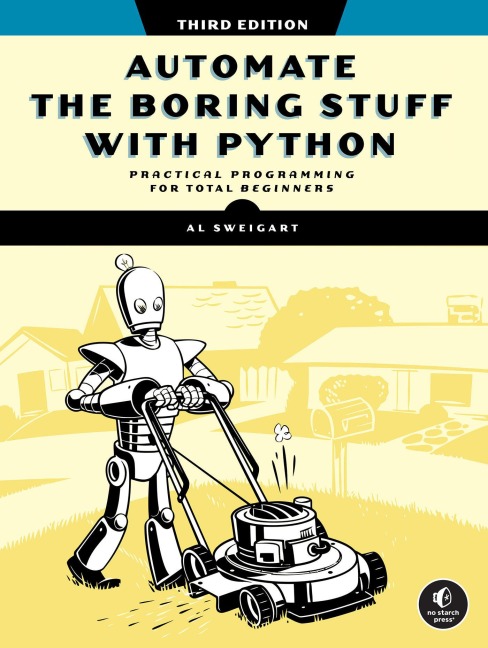
Automate the Boring Stuff with Python
-25% koodilla BOOKS
Toimittajalla varastossa
TOP
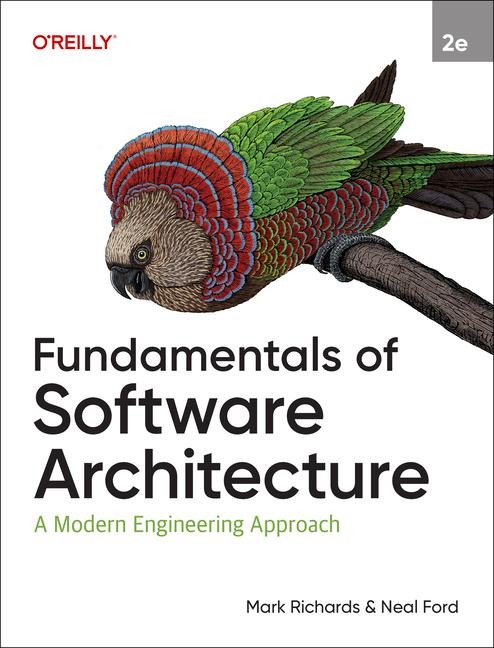
Fundamentals of Software Architecture: A Modern Engineering Approach
-25% koodilla BOOKS
Toimittajalla varastossa
TOP
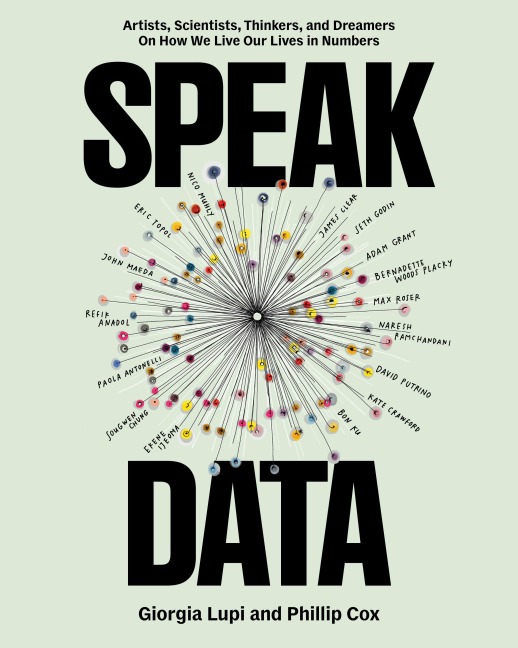
Speak Data: Artists, Scientists, Thinkers, and Dreamers on How We Live Our Lives in Numbers
-25% koodilla BOOKS
Toimittajalla varastossa
TOP

Hacking: The Art of Exploitation
-25% koodilla BOOKS
Toimittajalla varastossa
TOP
Linux Basics for Hackers, 2nd Edition: Getting Started with Networking, Scripting, and Security in Kali
-25% koodilla BOOKS
Toimittajalla varastossa
TOP
HBR Guide to Generative AI for Managers
-25% koodilla BOOKS
Toimittajalla varastossa
Kuvaus
Lisätietoja
| Kirjoittaja | Marius Zimand |
|---|---|
| Julkaisija | Elsevier Science |
| Julkaisuvuosi | 2004 |
| Kannen tyyppi | Pehmeäkantinen |
| EAN | 9780444828415 |