
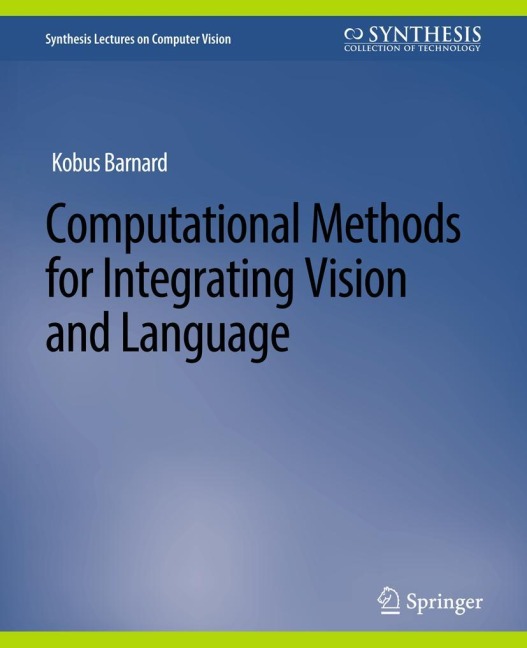
Computational Methods for Integrating Vision and Language - Kenichi Kanatani,Yasuyuki Sugaya
-35% koodilla BOOKS
Toimitus 12-18 arkipäivässä
30 päivän palautusoikeus
Modeling data from visual and linguistic modalities together creates opportunities for better understanding of both, and supports many useful applications. Examples of dual visual-linguistic data includes images with keywords, video with narrative, and figures in documents. We consider two key task-driven themes: translating from one modality to another (e.g., inferring annotations for images) and understan ... Täydellinen kuvaus
Saatat myös pitää
 TOP
TOP

If Anyone Builds It, Everyone Dies: Why Superhuman AI Would Kill Us All
Eliezer Yudkowsky, Nate Soares
-35% koodilla BOOKS
Toimittajalla varastossa
 TOP
TOP

The 21st Century Brain: Cutting edge neuroscience to help us navigate the future
-35% koodilla BOOKS
Toimittajalla varastossa
TOP

Gödel, Escher, Bach: An Eternal Golden Braid
-35% koodilla BOOKS
Toimittajalla varastossa
TOP
AI Engineering: Building Applications with Foundation Models
-35% koodilla BOOKS
Toimittajalla varastossa
TOP
Empire of AI: Dreams and Nightmares in Sam Altman's OpenAI
-35% koodilla BOOKS
Toimittajalla varastossa
TOP
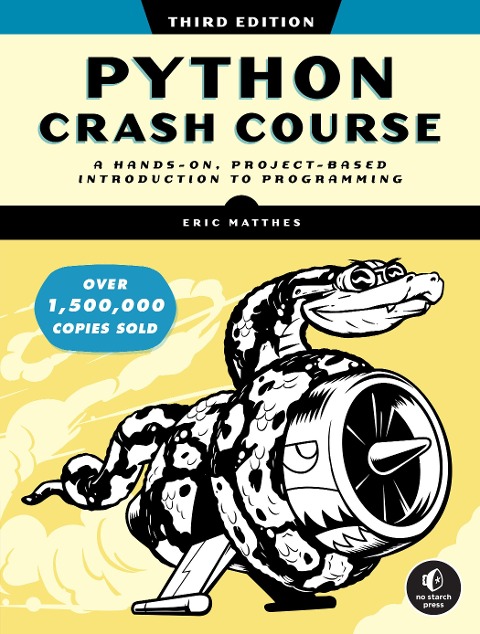
Python Crash Course: A Hands-On, Project-Based Introduction to Programming
-35% koodilla BOOKS
Toimittajalla varastossa
TOP
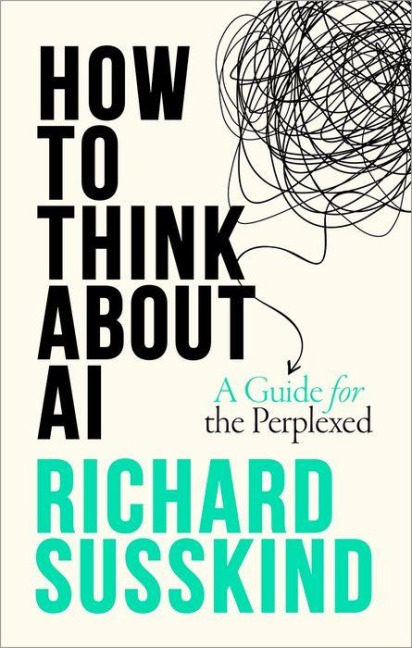
How To Think About AI: A Guide For The Perplexed
-35% koodilla BOOKS
Toimittajalla varastossa
TOP

The Rust Programming Language
Steve Klabnik, Carol Nichols, Chris Krycho
-35% koodilla BOOKS
Toimittajalla varastossa
TOP

How to Talk to AI: (And How Not To)
-35% koodilla BOOKS
Toimittajalla varastossa
TOP
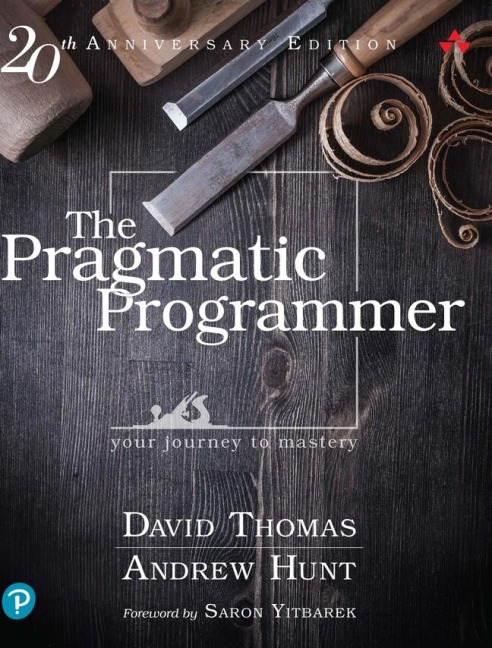
The Pragmatic Programmer: journey to mastery, 20th Anniversary Edition, 2/e: your journey to mastery, 20th Anniversary Edition
-35% koodilla BOOKS
Toimittajalla varastossa
TOP
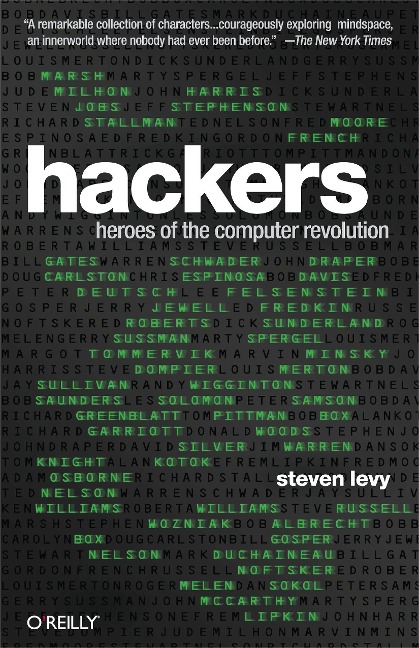
Hackers. 25th Anniversary Edition: Heroes of the Computer Revolution
-35% koodilla BOOKS
Toimittajalla varastossa
TOP
The Art of Game Design: A Book of Lenses
-35% koodilla BOOKS
Toimittajalla varastossa
TOP

How Linux Works: What Every Superuser Should Know
-35% koodilla BOOKS
Toimittajalla varastossa
TOP
Hands-On Large Language Models: Language Understanding and Generation
Maarten Grootendorst, Jay Alammar
-35% koodilla BOOKS
Toimittajalla varastossa
TOP

Fundamentals of Software Architecture: A Modern Engineering Approach
-35% koodilla BOOKS
Toimittajalla varastossa
TOP
Slanted 47 Digital Tools: Slanted Magazine
-35% koodilla BOOKS
Toimittajalla varastossa
TOP

Linux Basics for Hackers, 2nd Edition: Getting Started with Networking, Scripting, and Security in Kali
-35% koodilla BOOKS
Toimittajalla varastossa
TOP
Deep Learning: Foundations and Concepts
Christopher M. Bishop, Hugh Bishop
-35% koodilla BOOKS
Toimittajalla varastossa
TOP
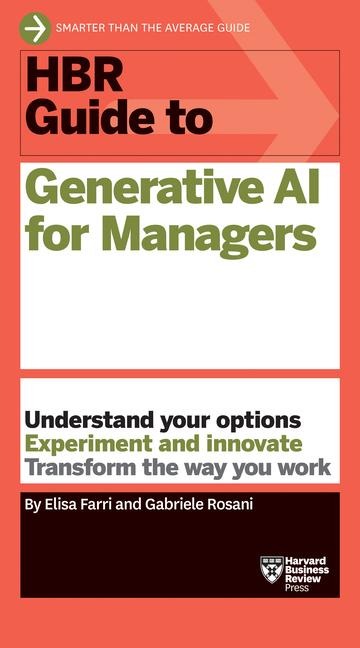
HBR Guide to Generative AI for Managers
-35% koodilla BOOKS
Toimittajalla varastossa
Kuvaus
Modeling data from visual and linguistic modalities together creates opportunities for better understanding of both, and supports many useful applications. Examples of dual visual-linguistic data includes images with keywords, video with narrative, and figures in documents. We consider two key task-driven themes: translating from one modality to another (e.g., inferring annotations for images) and understanding the data using all modalities, where one modality can help disambiguate information in another. The multiple modalities can either be essentially semantically redundant (e.g., keywords provided by a person looking at the image), or largely complementary (e.g., meta data such as the camera used). Redundancy and complementarity are two endpoints of a scale, and we observe that good performance on translation requires some redundancy, and that joint inference is most useful where some information is complementary. Computational methods discussed are broadly organized into ones forsimple keywords, ones going beyond keywords toward natural language, and ones considering sequential aspects of natural language. Methods for keywords are further organized based on localization of semantics, going from words about the scene taken as whole, to words that apply to specific parts of the scene, to relationships between parts. Methods going beyond keywords are organized by the linguistic roles that are learned, exploited, or generated. These include proper nouns, adjectives, spatial and comparative prepositions, and verbs. More recent developments in dealing with sequential structure include automated captioning of scenes and video, alignment of video and text, and automated answering of questions about scenes depicted in images.
Lisätietoja
| Kirjoittaja | Kenichi Kanatani, Yasuyuki Sugaya |
|---|---|
| Julkaisija | Springer Nature Switzerland |
| Series | Synthesis Lectures on Computer Vision |
| Julkaisuvuosi | 2016 |
| Kannen tyyppi | Pehmeäkantinen |
| EAN | 9783031006869 |