
Data Mining and Computational Intelligence -

-25% koodilla BOOKS
Toimitus 17-23 arkipäivässä
30 päivän palautusoikeus
Many business decisions are made in the absence of complete information about the decision consequences. Credit lines are approved without knowing the future behavior of the customers; stocks are bought and sold without knowing their future prices; parts are manufactured without knowing all the factors affecting their final quality; etc. All these cases can be categorized as decision making under uncertaint ... Täydellinen kuvaus
Saatat myös pitää
 TOP
TOP

Unreasonable Hospitality: The Remarkable Power of Giving People More Than They Expect
-25% koodilla BOOKS
Toimittajalla varastossa
 TOP
TOP

Never Split the Difference: Negotiating as if Your Life Depended on It
-25% koodilla BOOKS
Varastossa
TOP
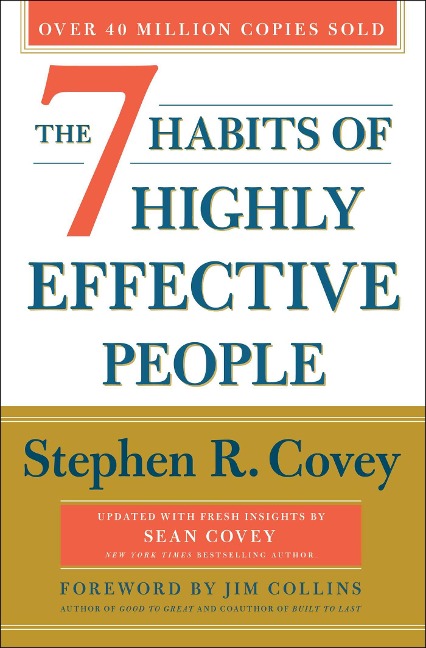
The 7 Habits of Highly Effective People. 30th Anniversary Edition: Powerful Lessons in Personal Change
Jim Collins, Sean Covey, Stephen R. Covey
-25% koodilla BOOKS
Varastossa
TOP

Atomic Habits: An Easy & Proven Way to Build Good Habits & Break Bad Ones
-25% koodilla BOOKS
Toimittajalla varastossa
TOP
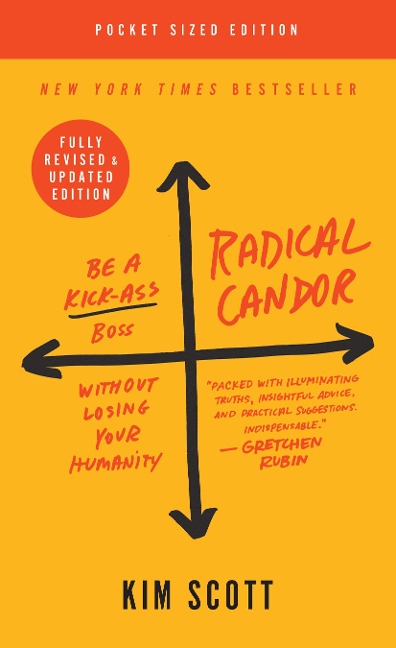
Radical Candor: Be a Kick-Ass Boss Without Losing Your Humanity
-25% koodilla BOOKS
Toimittajalla varastossa
TOP

The Psychology of Money: Timeless Lessons on Wealth, Greed, and Happiness
-25% koodilla BOOKS
Varastossa
TOP

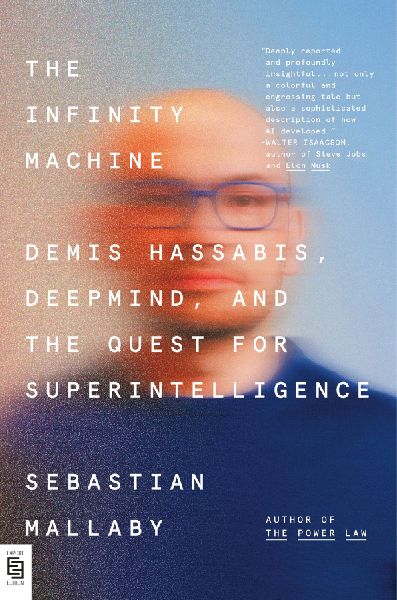
The Infinity Machine: Demis Hassabis, DeepMind, and the Quest for Superintelligence
-25% koodilla BOOKS
Toimittajalla varastossa
TOP

Vienna: How the City of Ideas Created the Modern World
-25% koodilla BOOKS
Toimittajalla varastossa
TOP
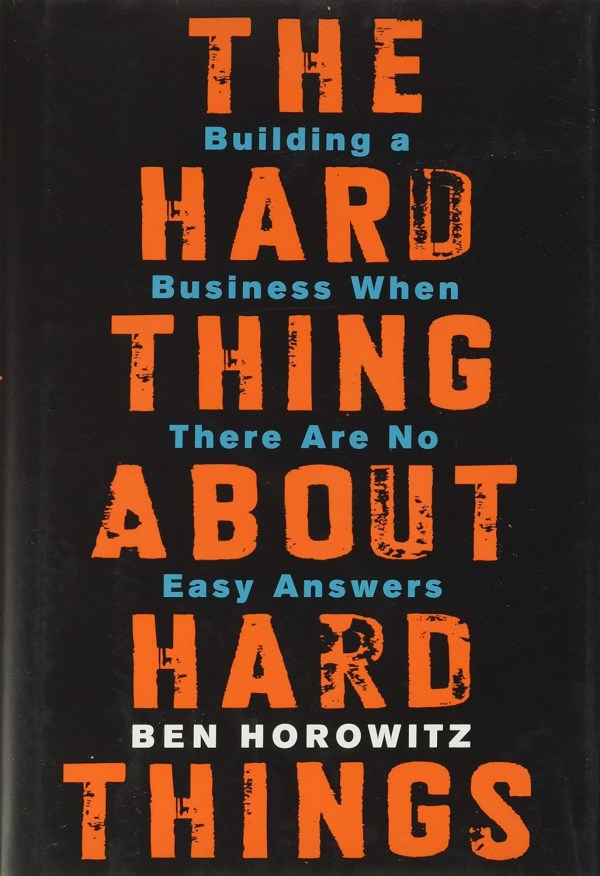
The Hard Thing about Hard Things: Building a Business When There Are No Easy Answers
-25% koodilla BOOKS
Varastossa
TOP
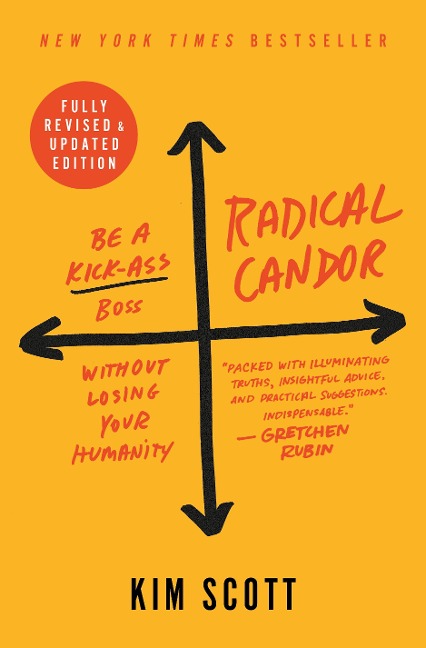
Radical Candor: Be a Kick-Ass Boss Without Losing Your Humanity
-25% koodilla BOOKS
Toimittajalla varastossa
 TOP
TOP

Co-Intelligence: Living and Working with AI
-25% koodilla BOOKS
Toimittajalla varastossa
TOP
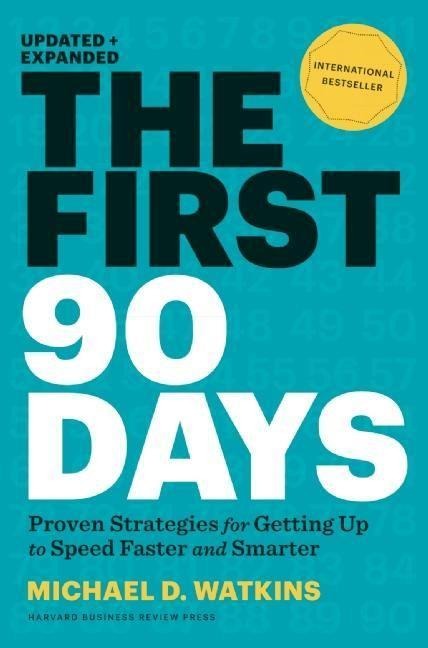
The First 90 Days: Proven Straegies for Getting up to Speed faster and smarter
-25% koodilla BOOKS
Toimittajalla varastossa
TOP
Surrounded by Idiots Revised & Expanded Edition: The Four Types of Human Behavior and How to Effectively Communicate with Each in Business (and in Life)
-25% koodilla BOOKS
Toimittajalla varastossa
TOP
The Common Good Economy: A New Compass
-25% koodilla BOOKS
Toimittajalla varastossa
TOP
Berkshire Hathaway Letters to Shareholders: 1965-2024
-25% koodilla BOOKS
Toimittajalla varastossa
TOP
The Effective Executive: The Definitive Guide to Getting the Right Things Done
-25% koodilla BOOKS
Toimittajalla varastossa

Kuvaus
Many business decisions are made in the absence of complete information about the decision consequences. Credit lines are approved without knowing the future behavior of the customers; stocks are bought and sold without knowing their future prices; parts are manufactured without knowing all the factors affecting their final quality; etc. All these cases can be categorized as decision making under uncertainty. Decision makers (human or automated) can handle uncertainty in different ways. Deferring the decision due to the lack of sufficient information may not be an option, especially in real-time systems. Sometimes expert rules, based on experience and intuition, are used. Decision tree is a popular form of representing a set of mutually exclusive rules. An example of a two-branch tree is: if a credit applicant is a student, approve; otherwise, decline. Expert rules are usually based on some hidden assumptions, which are trying to predict the decision consequences. A hidden assumption of the last rule set is: a student will be a profitable customer. Since the direct predictions of the future may not be accurate, a decision maker can consider using some information from the past. The idea is to utilize the potential similarity between the patterns of the past (e.g., "most students used to be profitable") and the patterns of the future (e.g., "students will be profitable").
Lisätietoja
| Julkaisija | Physica-Verlag HD |
|---|---|
| Series | Studies in Fuzziness and Soft Computing |
| Julkaisuvuosi | 2001 |
| Kannen tyyppi | Kovakantinen |
| EAN | 9783790813715 |