
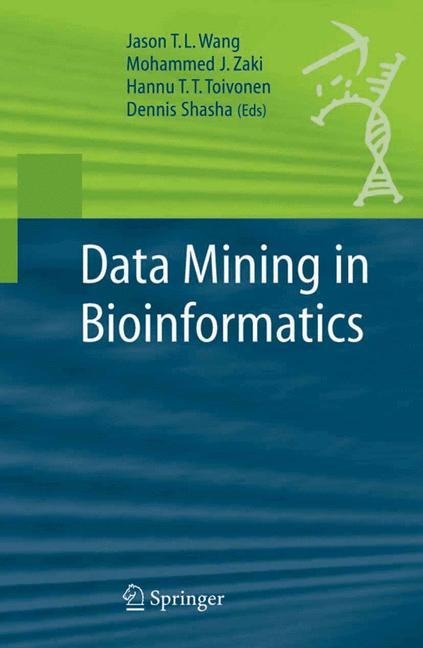
Data Mining in Bioinformatics -
-25% koodilla BOOKS
Toimitus 12-18 arkipäivässä
30 päivän palautusoikeus
8. 1. 1 Protein Subcellular Location The life sciences have entered the post-genome era where the focus of biologicalresearchhasshiftedfromgenomesequencestoproteinfunctionality. Withwhole-genomedraftsofmouseandhumaninhand,scientistsareputting more and more e?ort into obtaining information about the entire proteome in a given cell type. The properties of a protein include its amino acid sequences, its expres ... Täydellinen kuvaus
Saatat myös pitää
 TOP
TOP

Determined: The Science of Life Without Free Will
-25% koodilla BOOKS
Toimittajalla varastossa
 TOP
TOP
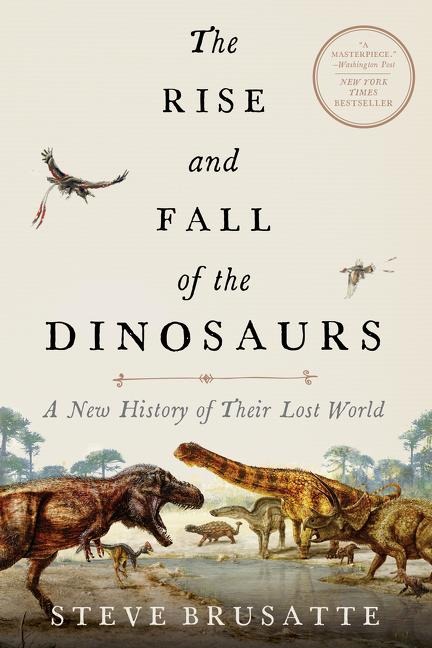
The Rise and Fall of the Dinosaurs: A New History of a Lost World
-25% koodilla BOOKS
Toimittajalla varastossa
TOP
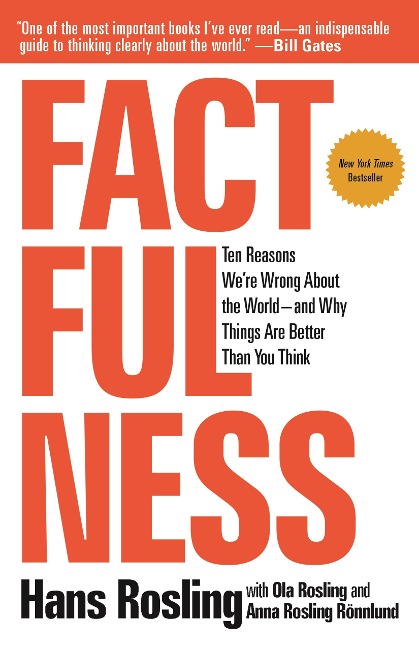
Factfulness: Ten Reasons We're Wrong About the World--and Why Things Are Better Than You Think
Ola Rosling, Anna Rosling Rönnlund, Hans Rosling
-25% koodilla BOOKS
Toimittajalla varastossa
TOP
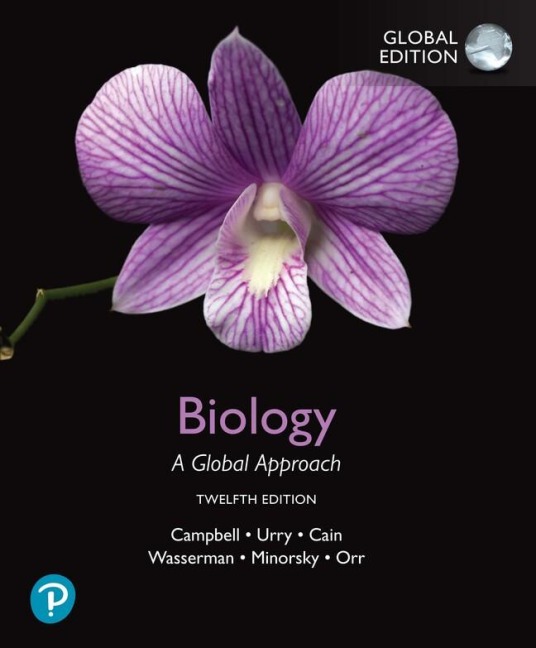
Biology: A Global Approach, Global Edition
Neil Campbell, Rebecca Orr, Lisa Urry, Peter Minorsky, Michael Cain, Jane Reece, Steven Wasserman
-25% koodilla BOOKS
Toimittajalla varastossa
TOP

Six Not-so-easy Pieces: Einstein's Relativity, Symmetry, and Space-Time
Richard P. Feynman, Robert B. Leighton, Matthew Sands
-25% koodilla BOOKS
Toimittajalla varastossa
TOP
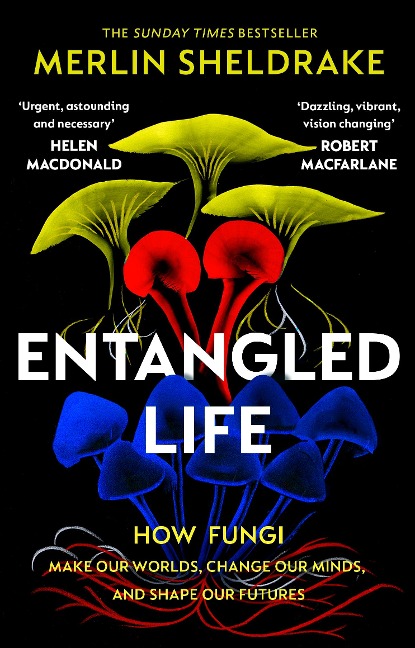
Entangled Life: How Fungi Make Our Worlds, Change Our Minds and Shape Our Futures
-25% koodilla BOOKS
Toimittajalla varastossa
TOP
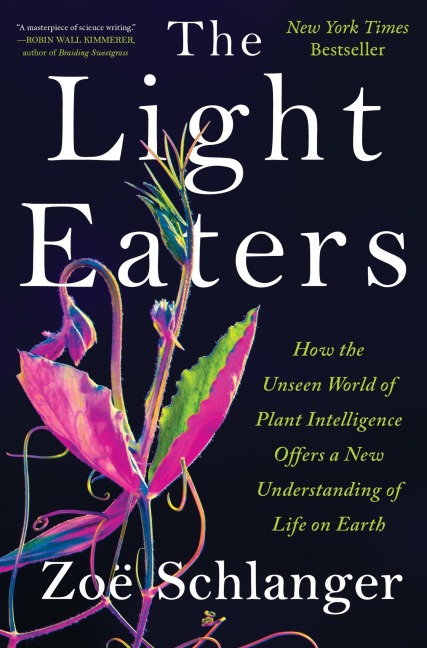
The Light Eaters: How the Unseen World of Plant Intelligence Offers a New Understanding of Life on Earth
-25% koodilla BOOKS
Toimittajalla varastossa
TOP


The Age of Alchemy: How Early Innovators Shaped Modern Chemistry
-25% koodilla BOOKS
Toimittajalla varastossa
TOP
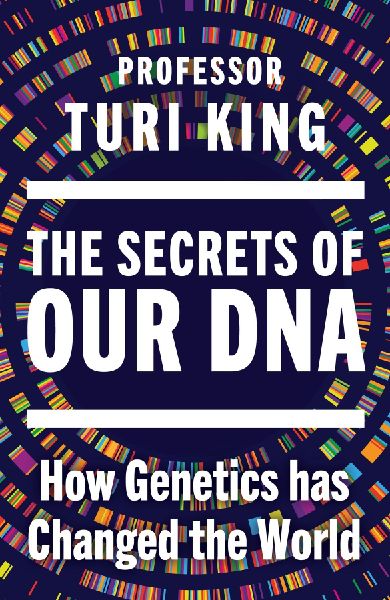
The Secrets of our DNA: How Genetics has Changed the World
-25% koodilla BOOKS
Toimittajalla varastossa
TOP

Janeway's Immunobiology
Leslie J. Berg, Kenneth Murphy, Casey Weaver
-25% koodilla BOOKS
Toimittajalla varastossa
TOP
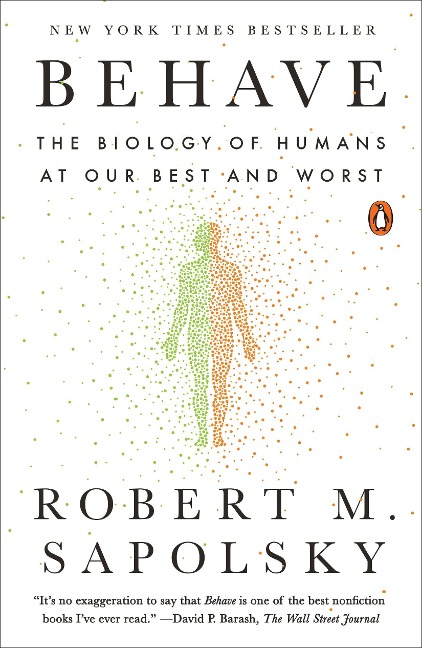
Behave: The Biology of Humans at Our Best and Worst
-25% koodilla BOOKS
Toimittajalla varastossa
TOP
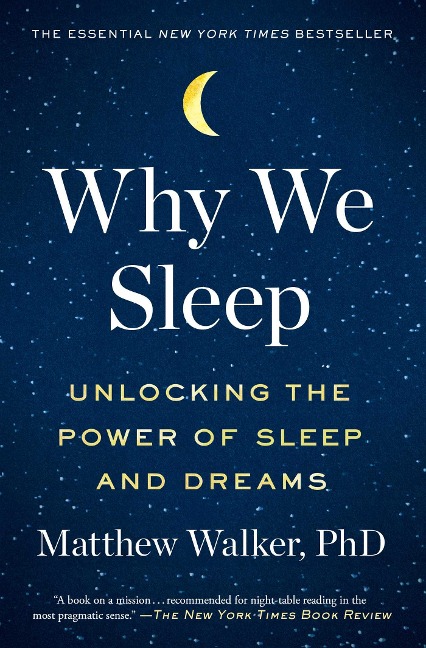
Why We Sleep: Unlocking the Power of Sleep and Dreams
-25% koodilla BOOKS
Varastossa
TOP
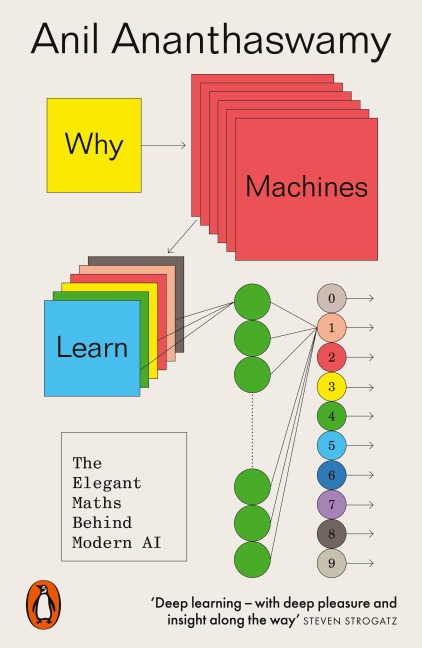
Why Machines Learn: The Elegant Maths Behind Modern AI
-25% koodilla BOOKS
Toimittajalla varastossa
TOP

Life As No One Knows It: The Physics of Life's Emergence
-25% koodilla BOOKS
Toimittajalla varastossa
TOP
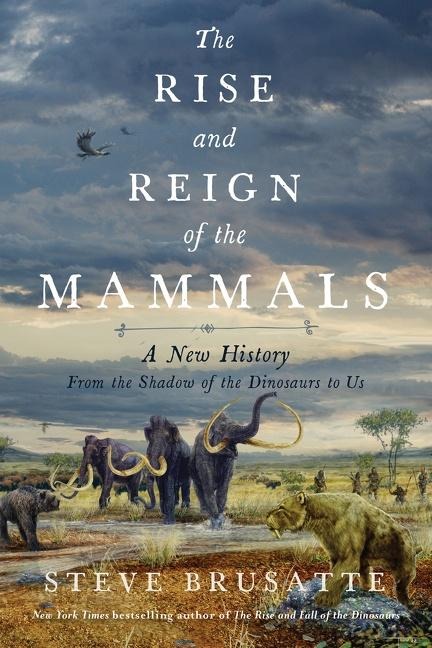
The Rise and Reign of the Mammals: A New History, from the Shadow of the Dinosaurs to Us
-25% koodilla BOOKS
Toimittajalla varastossa
TOP
Learn Faster, Perform Better: A Musician's Guide to the Neuroscience of Practicing
-25% koodilla BOOKS
Toimittajalla varastossa
TOP
The Brain That Changes Itself: Stories of Personal Triumph from the Frontiers of Brain Science
-25% koodilla BOOKS
Toimittajalla varastossa
 TOP
TOP

How to Solve it: A New Aspect of Mathematical Method
-25% koodilla BOOKS
Toimittajalla varastossa
Kuvaus
8. 1. 1 Protein Subcellular Location The life sciences have entered the post-genome era where the focus of biologicalresearchhasshiftedfromgenomesequencestoproteinfunctionality. Withwhole-genomedraftsofmouseandhumaninhand,scientistsareputting more and more e?ort into obtaining information about the entire proteome in a given cell type. The properties of a protein include its amino acid sequences, its expression levels under various developmental stages and in di?erenttissues,its3Dstructureandactivesites,itsfunctionalandstructural binding partners, and its subcellular location. Protein subcellular location is important for understanding protein function inside the cell. For example, the observation that the product of a gene is localized in mitochondria will support the hypothesis that this protein or gene is involved in energy metabolism. Proteins localized in the cytoskeleton are probably involved in intracellular tra?cking and support. The context of protein functionality is well represented by protein subcellular location. Proteins have various subcellular location patterns [250]. One major category of proteins is synthesized on free ribosomes in the cytoplasm. Soluble proteins remain in the cytoplasm after their synthesis and function as small factories catalyzing cellular metabolites. Other proteins that have a target signal in their sequences are directed to their target organelle (such as mitochondria) via posttranslational transport through the organelle membrane. Nuclear proteins are transferred through pores on the nuclear envelope to the nucleus and mostly function as regulators. The second major category of proteins is synthesized on endoplasmic reticulum(ER)-associated ribosomes and passes through the reticuloendothelial system, consisting of the ERand the Golgi apparatus.
Lisätietoja
| Julkaisija | Springer London |
|---|---|
| Series | Advanced Information and Knowledge Processing |
| Julkaisuvuosi | 2010 |
| Kannen tyyppi | Pehmeäkantinen |
| EAN | 9781849968942 |