
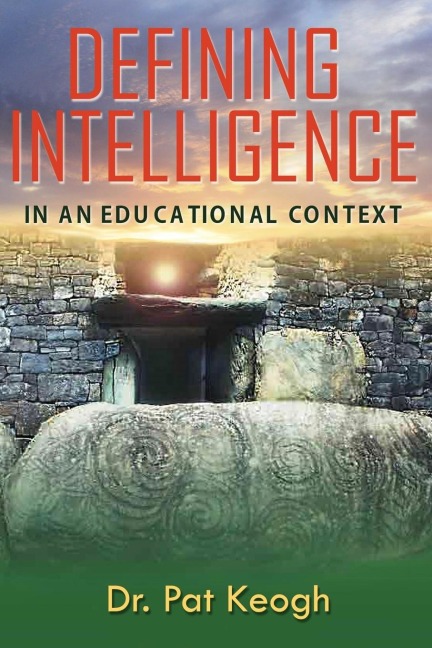
Defining Intelligence: In An Educational Context - Pat Keogh
-35% koodilla BOOKS
Toimitus 10-16 arkipäivässä
30 päivän palautusoikeus
It may be unethical or a person to conduct an intelligence assessment on another human being. Human intelligence is unquantifiable. Observing or analyzing behaviour, appearance, personality, beliefs or acquired knowledge cannot produce a quantifiable measure of a person's intelligence. The brain can perform millions of billions of calculations per second. This gives the person enormous power and incalculabl ... Täydellinen kuvaus
Saatat myös pitää
 TOP
TOP
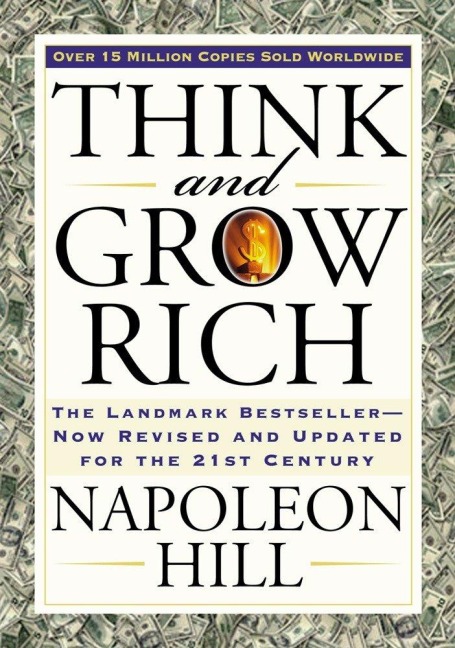
Think and Grow Rich: The Landmark Bestseller Now Revised and Updated for the 21st Century
-35% koodilla BOOKS
Varastossa
TOP
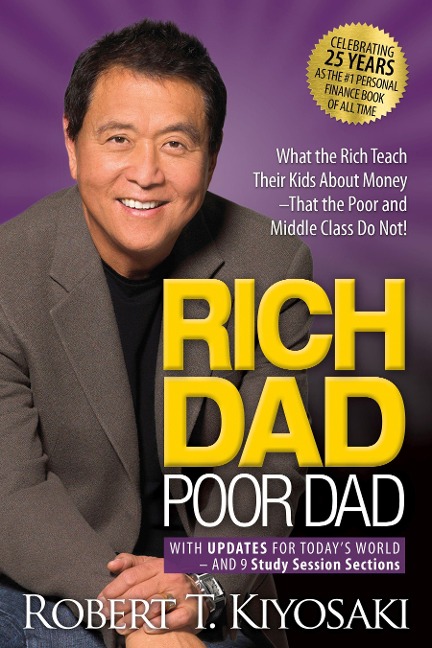
Rich Dad Poor Dad. 25th Anniversary Edition: What the Rich Teach Their Kids About Money That the Poor and Middle Class Do Not!
-35% koodilla BOOKS
Varastossa
 TOP
TOP
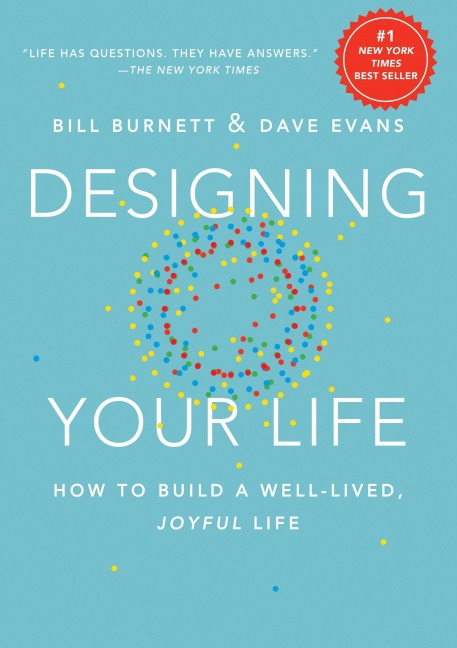
Designing Your Life: How to Build a Well-Lived, Joyful Life
-35% koodilla BOOKS
Toimittajalla varastossa
 TOP
TOP
The Diary of a CEO: The 33 Laws of Business and Life
-35% koodilla BOOKS
Toimittajalla varastossa
TOP
How to Talk So Kids Will Listen & Listen So Kids Will Talk
-35% koodilla BOOKS
Varastossa
TOP
The Subtle Art of Not Giving a F*ck: A Counterintuitive Approach to Living a Good Life
-35% koodilla BOOKS
Toimittajalla varastossa
 TOP
TOP

Tuesdays with Morrie: An old man, a young man, and life's greatest lesson
-35% koodilla BOOKS
Varastossa
TOP

The Meaning of Your Life: Finding Purpose in an Age of Emptiness
-35% koodilla BOOKS
Toimittajalla varastossa
TOP
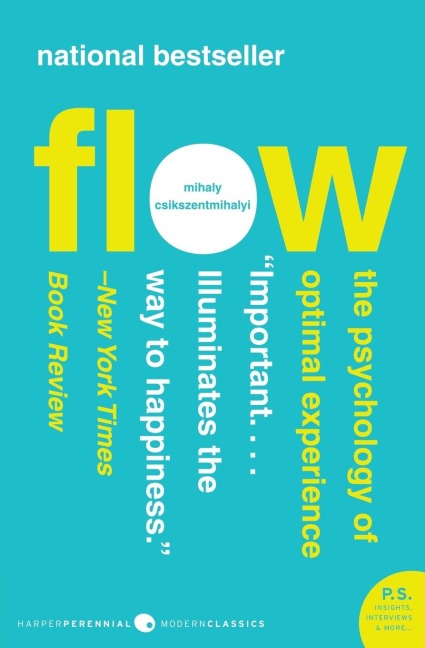
Flow: The Psychology of Optimal Experience
-35% koodilla BOOKS
Toimittajalla varastossa
TOP
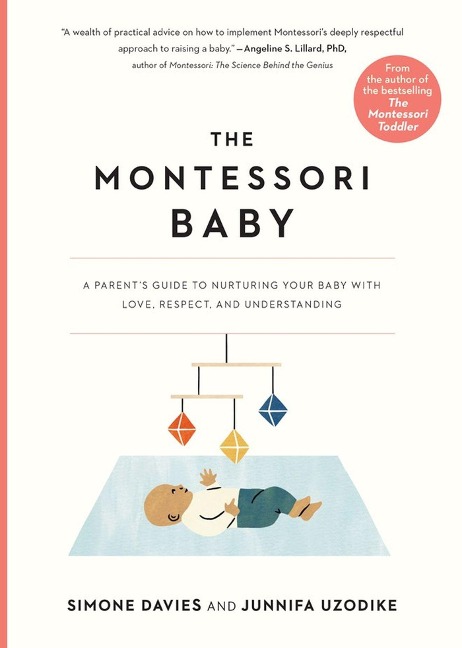
Montessori Baby: A Parent's Guide to Nurturing Your Baby with Love, Respect, and Understanding
Junnifa Uzodike, Simone Davies
-35% koodilla BOOKS
Toimittajalla varastossa
TOP
Maintenance of Everything: Part One
-35% koodilla BOOKS
Toimittajalla varastossa
TOP
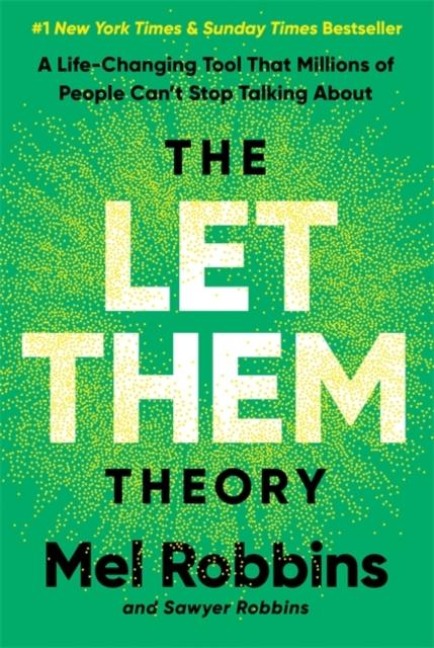
The Let Them Theory: A Life-Changing Tool That Millions of People Can't Stop Talking About
-35% koodilla BOOKS
Toimittajalla varastossa
 TOP
TOP
What Got You Here Won't Get You There: How successful people become even more successful
-35% koodilla BOOKS
Toimittajalla varastossa
 TOP
TOP

Made to Stick: Why Some Ideas Survive and Others Die
-35% koodilla BOOKS
Toimittajalla varastossa
Kuvaus
It may be unethical or a person to conduct an intelligence assessment on another human being. Human intelligence is unquantifiable. Observing or analyzing behaviour, appearance, personality, beliefs or acquired knowledge cannot produce a quantifiable measure of a person's intelligence. The brain can perform millions of billions of calculations per second. This gives the person enormous power and incalculable potential. Yet, saying I use my brain to thing awards the I (the mind) a priority over the brain. We are thinking beings. We are compelled and condemned to think. Thinking is process. We cannot analyse thinking but we can analyse thoughts and ideas, the products of thinking. The mind can reflect on the past, live in the present and plan for the future. Intelligence involves abstract, purposeful, logical thinking and the ability to create and execute ideas. It also includes unconscious thinking. The mind functions best when the body is at rests. The mind never sleeps. The Bru na Boinne megalithic burial tombs in County Meath, particularly New Grange testify to the brilliance in observation, the thoughtful plans by our Neolithic ancestors of five thousand years ago. Modern day communication technology, space exploration and the development of artificial intelligence with sophisticated machines and robots are contemporary testimonies to human genius. Primary education should allow time in the curriculum for student to daydream purposefully. In early schooling greater emphasis should be placed on creativity, music composition, innovation and artistic pursuits. DR. PAT KEOGH is a retired Principal Teacher of a large Dublin primary school. He believes that children from an early age should be encouraged to think independently. There should be less emphasis placed on facts and formulae and more time given to analysis particularly in subjects like History, Art, Music. And Religion. While Mathematics, Geography, Geology, and Science are more fact-based subjects, understanding and analyzing the concepts and facts should take precedence over rote learning of facts, figures, and formulae. Pat is a staunch advocate of child-centered education. Each child is different, with different needs and proclivities. We should cater for the child, not the system. Dr. Keogh has a master's degree in Philosophy and a Doctorate in Education. His doctoral thesis is entitled THINKING CRITICALLY. The human brain has incredible calculating potential but the elusiveness and ingenuity of the mind is beyond comprehension. The creative mind works best when the body is at rest.
Lisätietoja
| Kirjoittaja | Pat Keogh |
|---|---|
| Julkaisija | STAMPA GLOBAL |
| Julkaisuvuosi | 2019 |
| Kannen tyyppi | Pehmeäkantinen |
| EAN | 9781951585181 |