
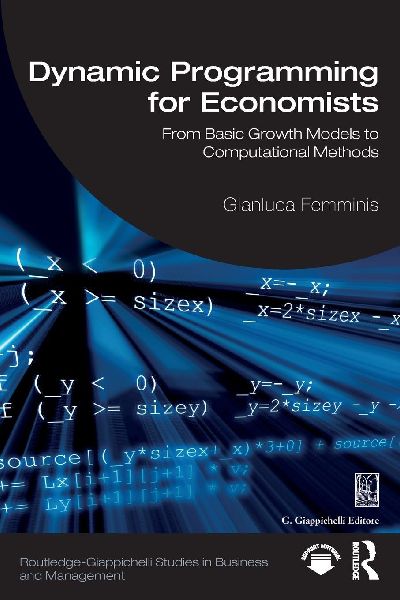
Dynamic Programming for Economists: From Basic Growth Models to Computational Methods - Gianluca Femminis
-25% koodilla BOOKS
30 päivän palautusoikeus
Dynamic programming is a powerful technique for modeling problems requiring sequential decisions in macroeconomics and finance. The drawback is that its analytic foundations are mathematically demanding, making existing textbooks often too technical for beginners. Moreover, dynamic models most often cannot be solved analytically and, therefore, require the use of numerical methods, whose implementation deta ... Täydellinen kuvaus
Saatat myös pitää
 TOP
TOP

Determined: The Science of Life Without Free Will
-25% koodilla BOOKS
Toimittajalla varastossa
TOP
The Rise and Fall of the Dinosaurs: A New History of a Lost World
-25% koodilla BOOKS
Toimittajalla varastossa
TOP
Factfulness: Ten Reasons We're Wrong About the World--and Why Things Are Better Than You Think
Ola Rosling, Anna Rosling Rönnlund, Hans Rosling
-25% koodilla BOOKS
Toimittajalla varastossa
TOP

Biology: A Global Approach, Global Edition
Neil Campbell, Rebecca Orr, Lisa Urry, Peter Minorsky, Michael Cain, Jane Reece, Steven Wasserman
-25% koodilla BOOKS
Toimittajalla varastossa
TOP

Six Not-so-easy Pieces: Einstein's Relativity, Symmetry, and Space-Time
Richard P. Feynman, Robert B. Leighton, Matthew Sands
-25% koodilla BOOKS
Toimittajalla varastossa
TOP

The Light Eaters: How the Unseen World of Plant Intelligence Offers a New Understanding of Life on Earth
-25% koodilla BOOKS
Toimittajalla varastossa
 TOP
TOP


The Age of Alchemy: How Early Innovators Shaped Modern Chemistry
-25% koodilla BOOKS
Toimittajalla varastossa
TOP
The Secrets of our DNA: How Genetics has Changed the World
-25% koodilla BOOKS
Toimittajalla varastossa
TOP

Janeway's Immunobiology
Leslie J. Berg, Kenneth Murphy, Casey Weaver
-25% koodilla BOOKS
Toimittajalla varastossa
TOP

How to Solve it: A New Aspect of Mathematical Method
-25% koodilla BOOKS
Toimittajalla varastossa
TOP
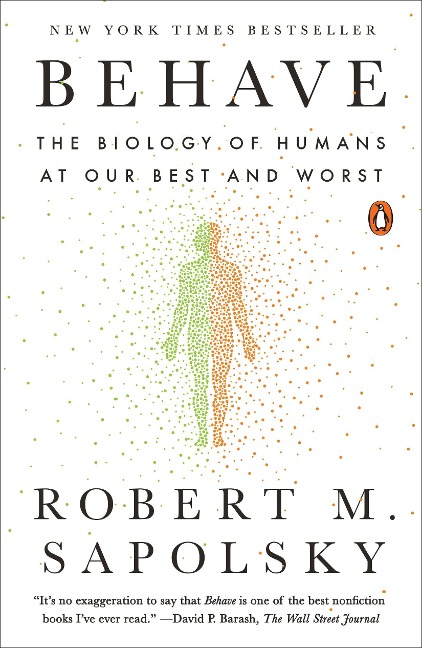
Behave: The Biology of Humans at Our Best and Worst
-25% koodilla BOOKS
Toimittajalla varastossa
TOP
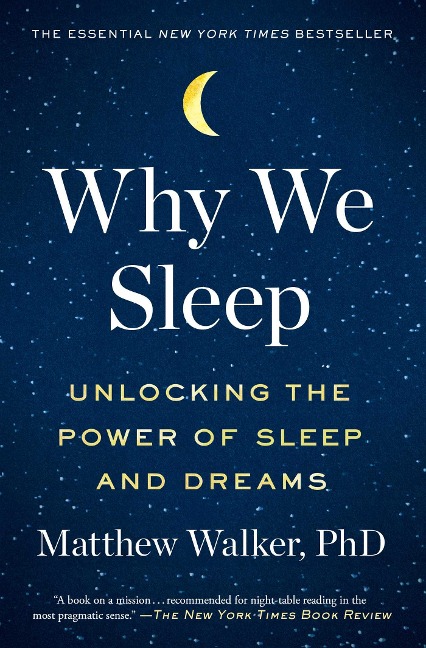
Why We Sleep: Unlocking the Power of Sleep and Dreams
-25% koodilla BOOKS
Varastossa
TOP
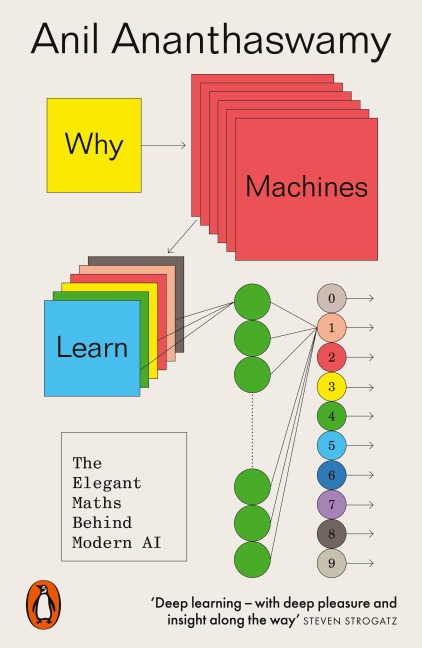
Why Machines Learn: The Elegant Maths Behind Modern AI
-25% koodilla BOOKS
Toimittajalla varastossa
TOP

Six Easy Pieces: Essentials of Physics Explained by Its Most Brilliant Teacher
Richard P. Feynman, Robert B. Leighton, Matthew Sands
-25% koodilla BOOKS
Toimittajalla varastossa
TOP
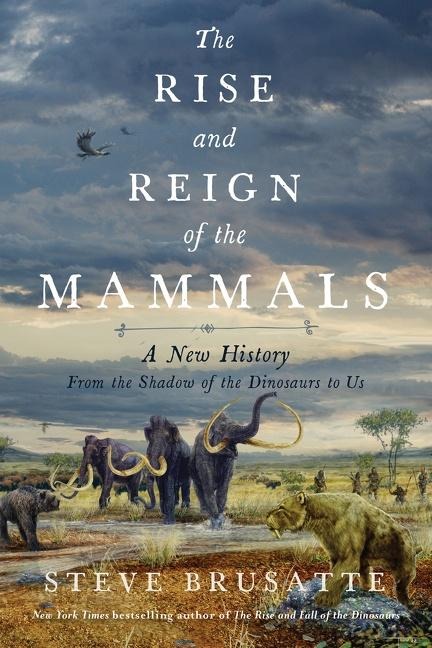
The Rise and Reign of the Mammals: A New History, from the Shadow of the Dinosaurs to Us
-25% koodilla BOOKS
Toimittajalla varastossa
TOP
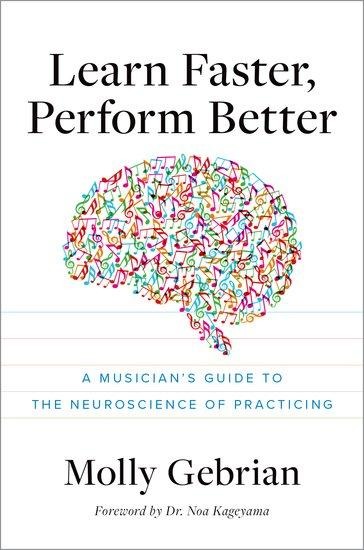
Learn Faster, Perform Better: A Musician's Guide to the Neuroscience of Practicing
-25% koodilla BOOKS
Toimittajalla varastossa
TOP
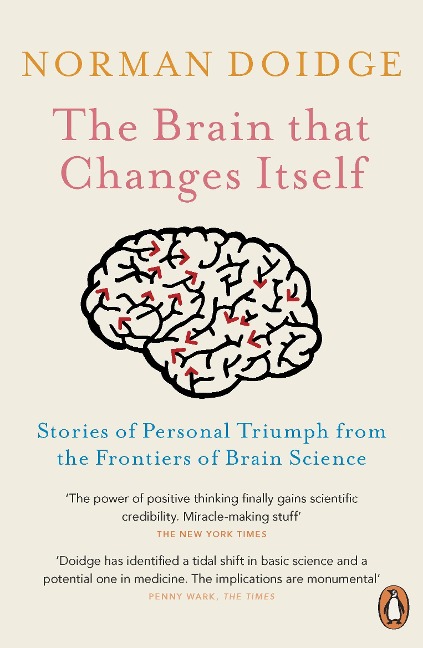
The Brain That Changes Itself: Stories of Personal Triumph from the Frontiers of Brain Science
-25% koodilla BOOKS
Toimittajalla varastossa
 TOP
TOP

Thing Explainer: Complicated Stuff in Simple Words
-25% koodilla BOOKS
Toimittajalla varastossa
Kuvaus
Lisätietoja
| Kirjoittaja | Gianluca Femminis |
|---|---|
| Julkaisija | Taylor & Francis Ltd |
| Series | Routledge-Giappichelli Studies in Business and Management |
| Julkaisuvuosi | 2026 |
| Kannen tyyppi | Pehmeäkantinen |
| EAN | 9781041303398 |