
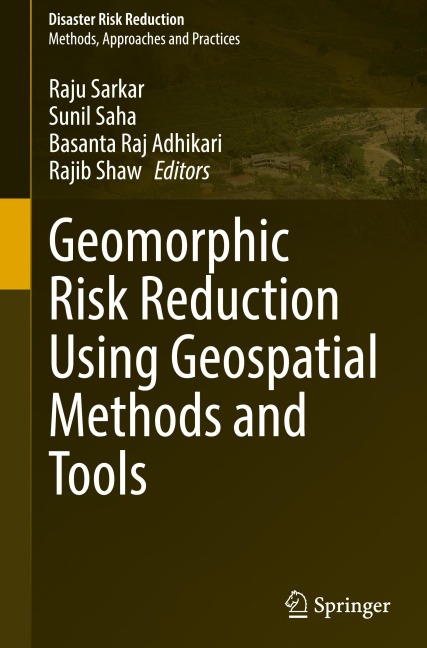
Geomorphic Risk Reduction Using Geospatial Methods and Tools -
-25% koodilla BOOKS
Toimitus 17-23 arkipäivässä
30 päivän palautusoikeus
This book explores the use of advanced geospatial techniques in geomorphic hazards modelling and risk reduction. It also compares the accuracy of traditional statistical methods and advanced machine learning methods and addresses the different ways to reduce the impact of geomorphic hazards. In recent years with the development of human infrastructures, geomorphic hazards are gradually increasing, which inc ... Täydellinen kuvaus
Saatat myös pitää
 TOP
TOP


Ocean: Earth's Last Wilderness
David Attenborough, Colin Butfield
-25% koodilla BOOKS
Toimittajalla varastossa
TOP
This Way Up: When Maps Go Wrong (and Why it Matters)
-25% koodilla BOOKS
Toimittajalla varastossa
TOP

They Poisoned the World: Life and Death in the Age of Forever Chemicals
-25% koodilla BOOKS
Toimittajalla varastossa
TOP
This Way Up: When Maps Go Wrong (and Why it Matters)
-25% koodilla BOOKS
Toimittajalla varastossa
TOP

The Word for World Is Water: World-Building and Creative Resistance Through Liquid Alliances
-25% koodilla BOOKS
Toimittajalla varastossa
TOP
The Forest Unseen: A Year's Watch in Nature
-25% koodilla BOOKS
Toimittajalla varastossa
TOP
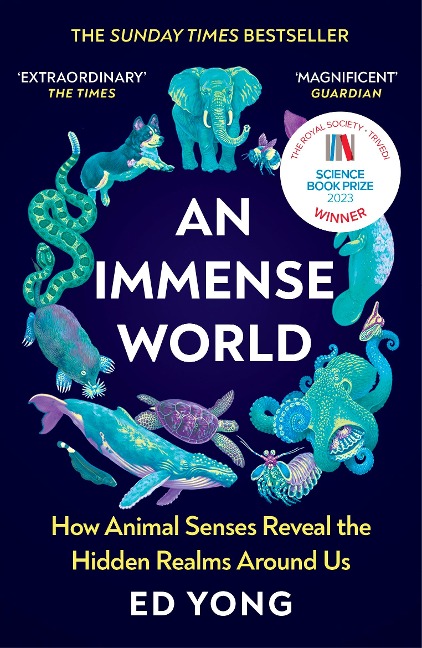
An Immense World: How Animal Senses Reveal the Hidden Realms Around Us
-25% koodilla BOOKS
Toimittajalla varastossa
TOP

Earth: The Definitive Visual Guide
-25% koodilla BOOKS
Toimittajalla varastossa
TOP

Statistical Rethinking: A Bayesian Course with Examples in R and STAN
-25% koodilla BOOKS
Toimittajalla varastossa
TOP

All We Can Save: Truth, Courage, and Solutions for the Climate Crisis
-25% koodilla BOOKS
Toimittajalla varastossa
TOP
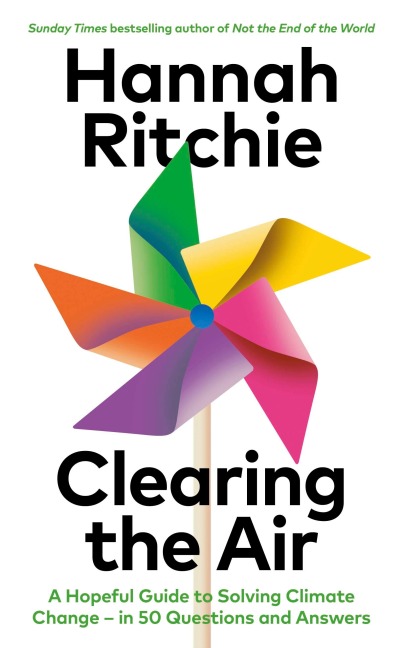
Clearing the Air: A Hopeful Guide to Solving Climate Change - in 50 Questions and Answers
-25% koodilla BOOKS
Toimittajalla varastossa
TOP
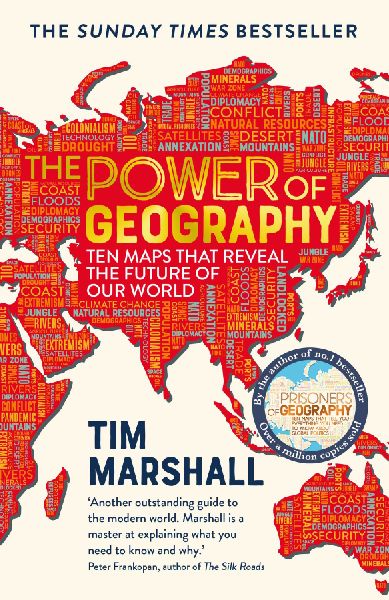
The Power of Geography: Ten Maps That Reveal the Future of Our World
-25% koodilla BOOKS
Toimittajalla varastossa
TOP
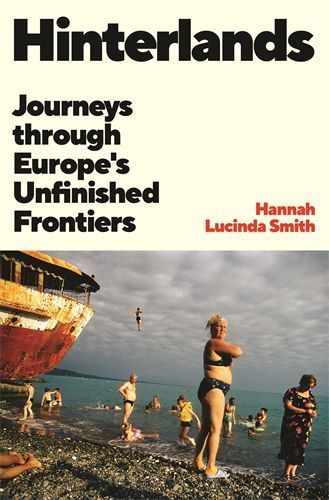
Hinterlands: Journeys through Europe's Unfinished Frontiers
-25% koodilla BOOKS
Toimittajalla varastossa
 TOP
TOP
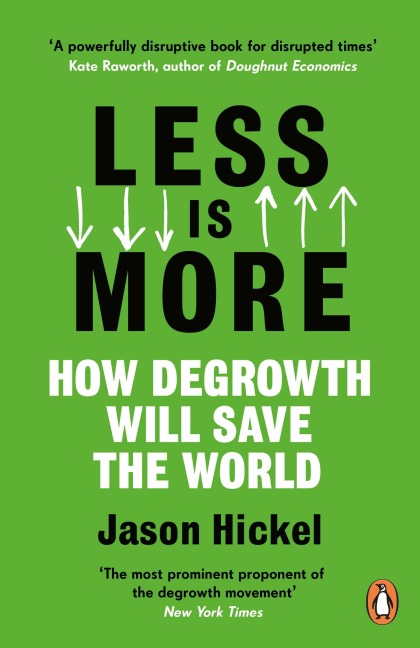
Less is More: How Degrowth Will Save the World
-25% koodilla BOOKS
Toimittajalla varastossa
TOP

Stahl's Essential Psychopharmacology: Neuroscientific Basis and Practical Applications
-25% koodilla BOOKS
Toimittajalla varastossa
TOP
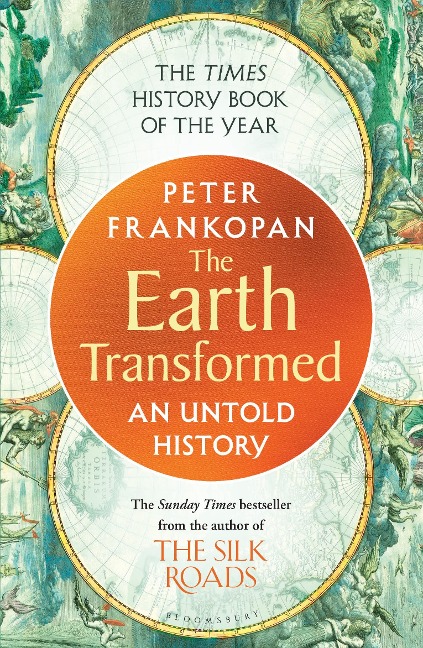
The Earth Transformed: An Untold History
-25% koodilla BOOKS
Toimittajalla varastossa
TOP
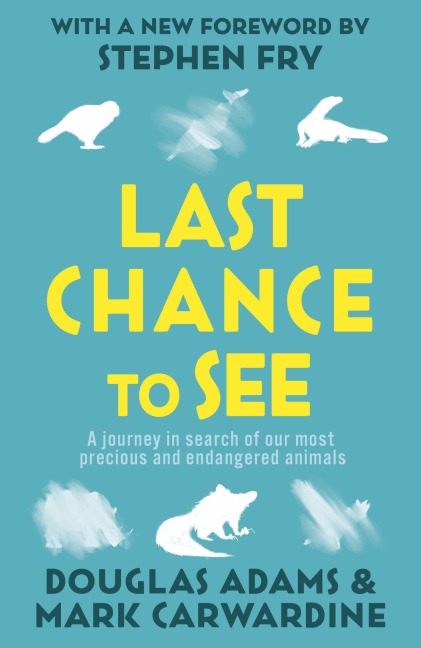
Last Chance to See
Douglas Adams, Mark Carwardine
-25% koodilla BOOKS
Toimittajalla varastossa
TOP
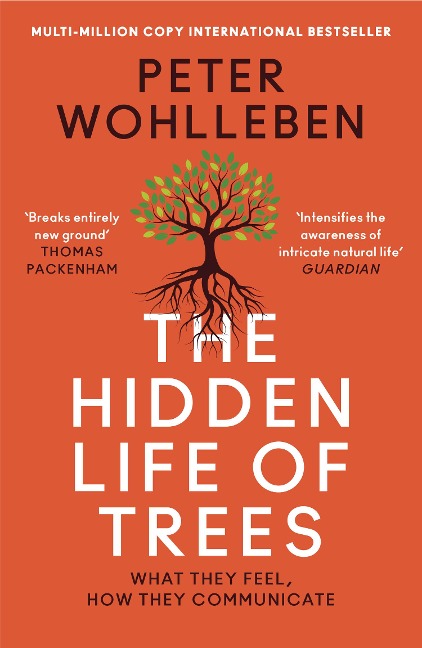
The Hidden Life of Trees: What They Feel, How They Communicate
-25% koodilla BOOKS
Toimittajalla varastossa
TOP
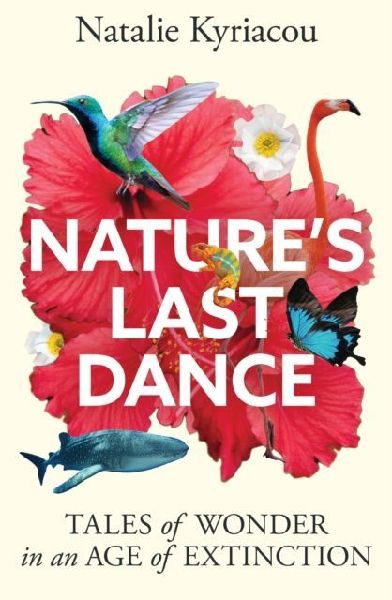
Nature's Last Dance: 'Will leave you surging with a desire to make the planet a better place' Professor Adam Hart
-25% koodilla BOOKS
Toimittajalla varastossa
Kuvaus
This book explores the use of advanced geospatial techniques in geomorphic hazards modelling and risk reduction. It also compares the accuracy of traditional statistical methods and advanced machine learning methods and addresses the different ways to reduce the impact of geomorphic hazards.
Lisätietoja
| Julkaisija | Springer Nature Singapore |
|---|---|
| Series | Disaster Risk Reduction |
| Julkaisuvuosi | 2024 |
| Kannen tyyppi | Kovakantinen |
| EAN | 9789819977062 |