
Implementation of functional programming languages -
-25% koodilla BOOKS
Toimitus 12-18 arkipäivässä
30 päivän palautusoikeus
Source: Wikipedia. Pages: 25. Chapters: Administrative normal form, Categorical abstract machine, Closure (computer science), Continuation-passing style, Deforestation (computer science), Defunctionalization, Functional compiler, Graph reduction, Hash consing, Lambda lifting, Lazy evaluation, Partial application, SECD machine, Strictness analysis, Supercombinator, Syntactic closure, Tail call, Thunk (functi ... Täydellinen kuvaus
Saatat myös pitää
 TOP
TOP

Gödel, Escher, Bach: An Eternal Golden Braid
-25% koodilla BOOKS
Toimittajalla varastossa
 TOP
TOP

If Anyone Builds It, Everyone Dies: Why Superhuman AI Would Kill Us All
Eliezer Yudkowsky, Nate Soares
-25% koodilla BOOKS
Toimittajalla varastossa
TOP
AI Engineering: Building Applications with Foundation Models
-25% koodilla BOOKS
Toimittajalla varastossa
TOP


The Rust Programming Language
Steve Klabnik, Carol Nichols, Chris Krycho
-25% koodilla BOOKS
Toimittajalla varastossa
TOP
The Art of Game Design: A Book of Lenses
-25% koodilla BOOKS
Toimittajalla varastossa
TOP
How To Think About AI: A Guide For The Perplexed
-25% koodilla BOOKS
Toimittajalla varastossa
TOP
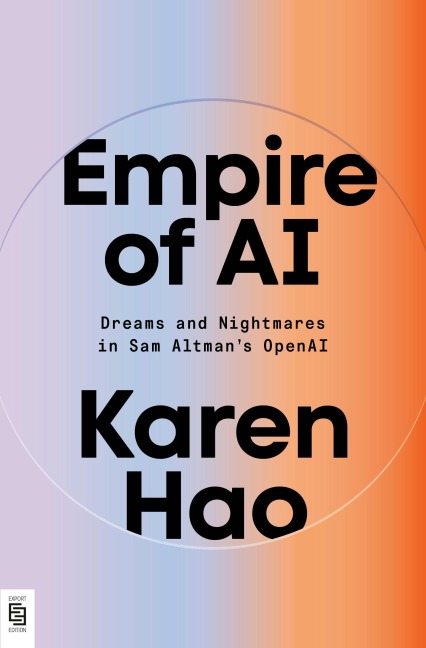
Empire of AI: Dreams and Nightmares in Sam Altman's OpenAI
-25% koodilla BOOKS
Toimittajalla varastossa
TOP
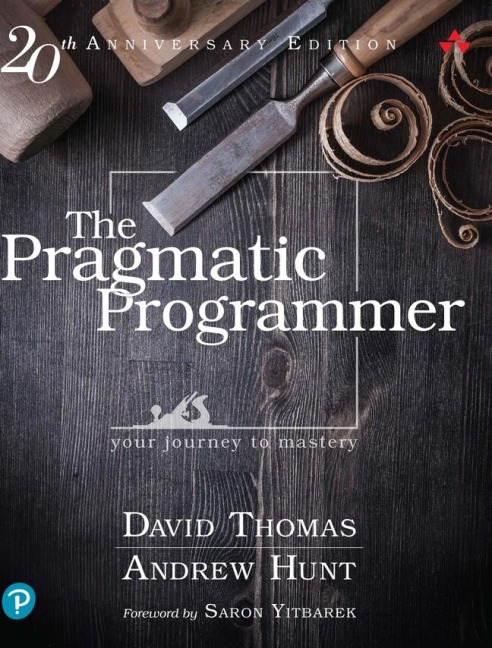
The Pragmatic Programmer: journey to mastery, 20th Anniversary Edition, 2/e: your journey to mastery, 20th Anniversary Edition
-25% koodilla BOOKS
Toimittajalla varastossa
TOP
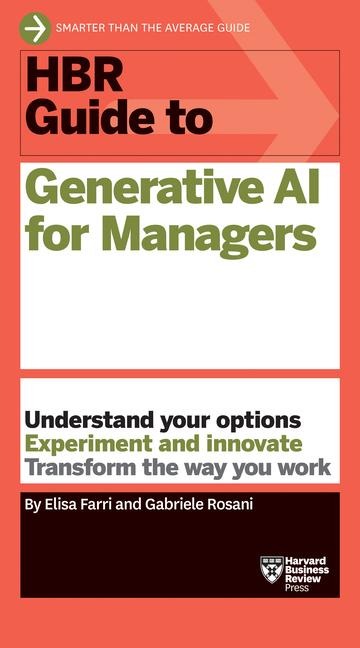
HBR Guide to Generative AI for Managers
-25% koodilla BOOKS
Toimittajalla varastossa
TOP
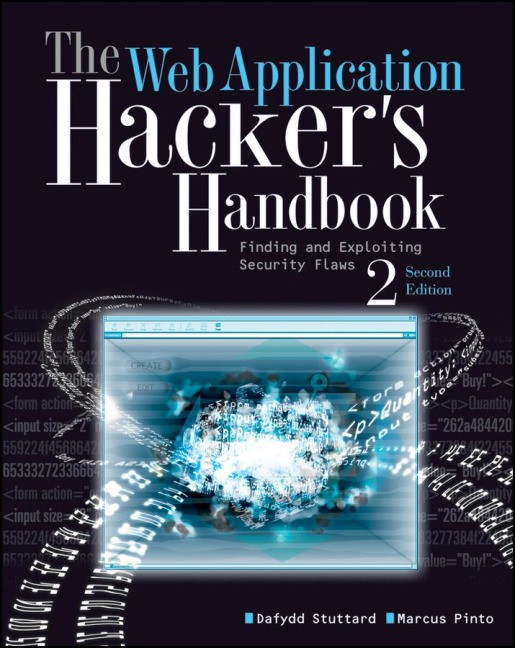
The Web Application Hacker's Handbook: Discovering and Exploiting Security Flaws
-25% koodilla BOOKS
Toimittajalla varastossa
TOP

How Linux Works: What Every Superuser Should Know
-25% koodilla BOOKS
Toimittajalla varastossa
TOP
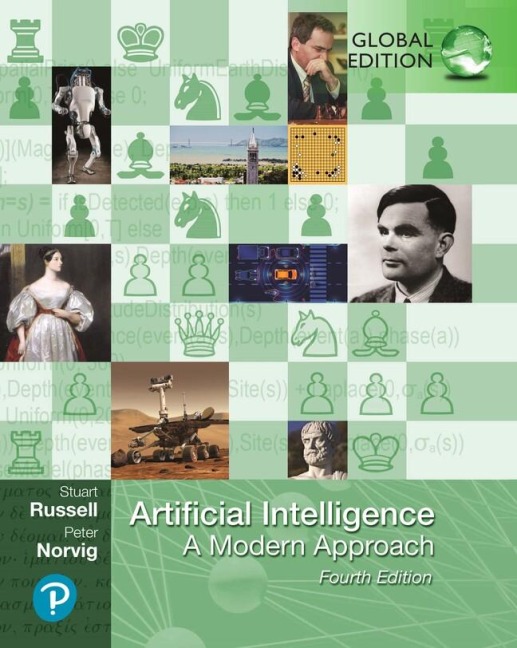
Artificial Intelligence: A Modern Approach, Global Edition
-25% koodilla BOOKS
Toimittajalla varastossa
TOP
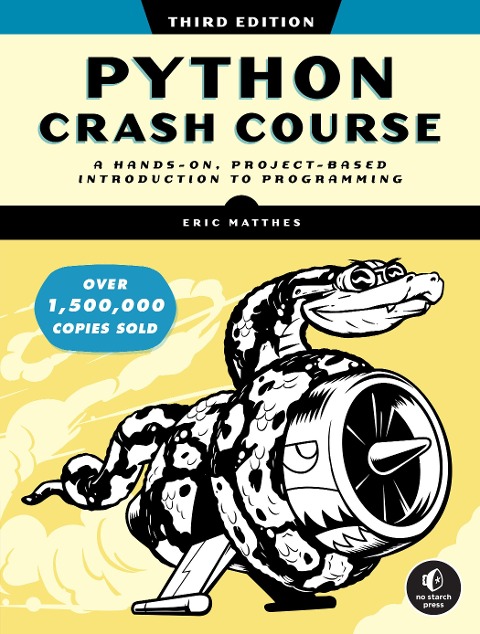
Python Crash Course: A Hands-On, Project-Based Introduction to Programming
-25% koodilla BOOKS
Toimittajalla varastossa
TOP
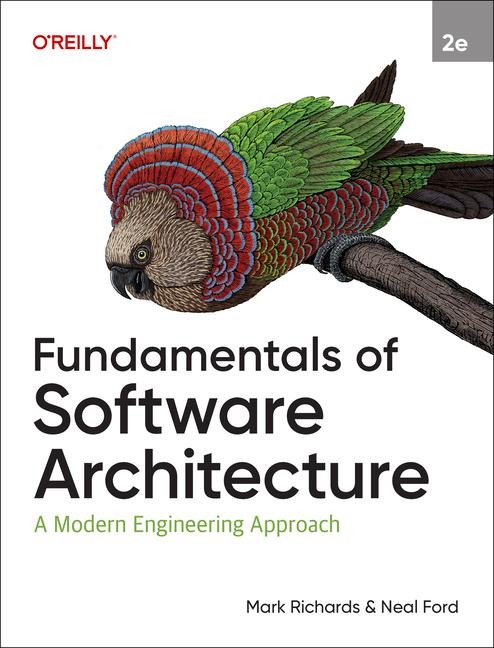
Fundamentals of Software Architecture: A Modern Engineering Approach
-25% koodilla BOOKS
Toimittajalla varastossa
TOP
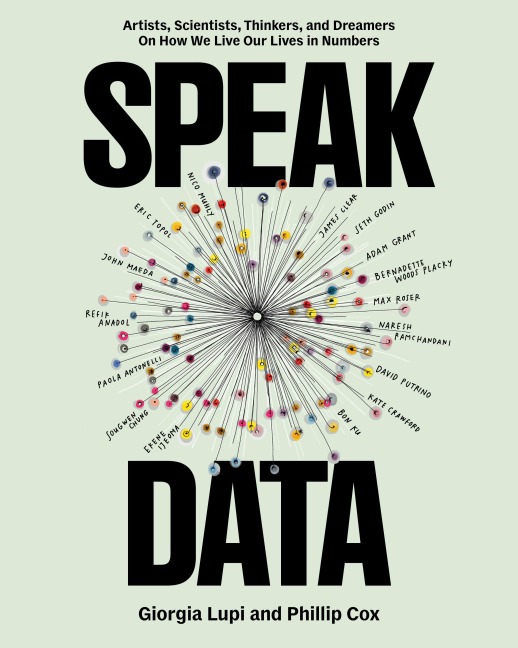
Speak Data: Artists, Scientists, Thinkers, and Dreamers on How We Live Our Lives in Numbers
-25% koodilla BOOKS
Toimittajalla varastossa
TOP

Linux Basics for Hackers, 2nd Edition: Getting Started with Networking, Scripting, and Security in Kali
-25% koodilla BOOKS
Toimittajalla varastossa
TOP
C Programming Language
Brian W. Kernighan, Brian Kernighan, Dennis Ritchie
-25% koodilla BOOKS
Toimittajalla varastossa
TOP
Hackers. 25th Anniversary Edition: Heroes of the Computer Revolution
-25% koodilla BOOKS
Toimittajalla varastossa
TOP

Proofs from THE BOOK
Martin Aigner, Günter M. Ziegler
-25% koodilla BOOKS
Toimittajalla varastossa
Kuvaus
Source: Wikipedia. Pages: 25. Chapters: Administrative normal form, Categorical abstract machine, Closure (computer science), Continuation-passing style, Deforestation (computer science), Defunctionalization, Functional compiler, Graph reduction, Hash consing, Lambda lifting, Lazy evaluation, Partial application, SECD machine, Strictness analysis, Supercombinator, Syntactic closure, Tail call, Thunk (functional programming). Excerpt: In computer science, a closure (also lexical closure or function closure) is a function or reference to a function together with a referencing environment¿a table storing a reference to each of the non-local variables (also called free variables) of that function. A closure¿unlike a plain function pointer¿allows a function to access those non-local variables even when invoked outside of its immediate lexical scope. The concept of closures was developed in the 1960s and was first fully implemented in 1975 as a language feature in the Scheme programming language to support lexically scoped first-class functions. The explicit use of closures is associated with functional programming languages such as Lisp and ML, as traditional imperative languages such as Algol, C and Pascal did not support returning nested functions as results of higher-order functions and thus did not require supporting closures either. Many modern garbage-collected imperative languages support closures, such as Smalltalk (the first object-oriented language to do so) and C#. Support for closures in Java is planned for Java 8. The following fragment of Python 3 code defines a function counter with a local variable x and a nested function increment. This nested function increment has access to x, which from its point of view is a non-local variable. The function counter returns a closure containing a reference to the function increment, which increments non-local variable x. The closure returned by counter can be assigned to a variable: Invoking increment through the closures will give the following results: Peter J. Landin defined the term closure in 1964 as having an environment part and a control part as used by his SECD machine for evaluating expressions. Joel Moses credits Landin with introducing the term closure to refer to a lambda expression whose open bindings (free variables) have been closed by (or bound in) the lexical environment, resulting in a closed expression, or closure. This usage w
Lisätietoja
| Julkaisija | Books LLC, Reference Series |
|---|---|
| Julkaisuvuosi | 2014 |
| Kannen tyyppi | Pehmeäkantinen |
| EAN | 9781233158102 |