
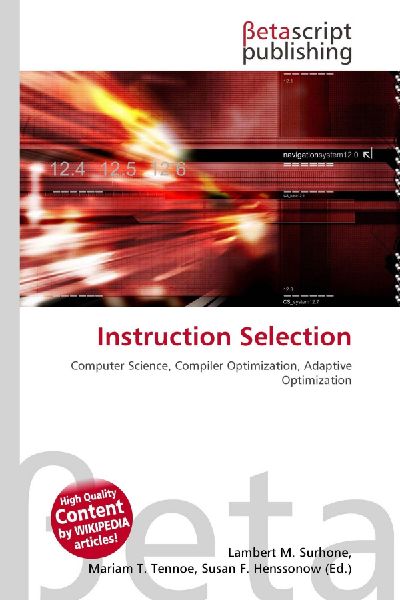
Instruction Selection: Computer Science, Compiler Optimization, Adaptive Optimization -

-25% koodilla BOOKS
Toimitus 15-21 arkipäivässä
30 päivän palautusoikeus
Please note that the content of this book primarily consists of articles available from Wikipedia or other free sources online. In computer science, instruction selection is the stage of a compiler backend that transforms its tree-based middle-level intermediate representation (IR) into a low-level IR very close to its final target language. In a typical compiler, it precedes both instruction scheduling and ... Täydellinen kuvaus
Saatat myös pitää
 TOP
TOP

Gödel, Escher, Bach: An Eternal Golden Braid
-25% koodilla BOOKS
Toimittajalla varastossa
TOP
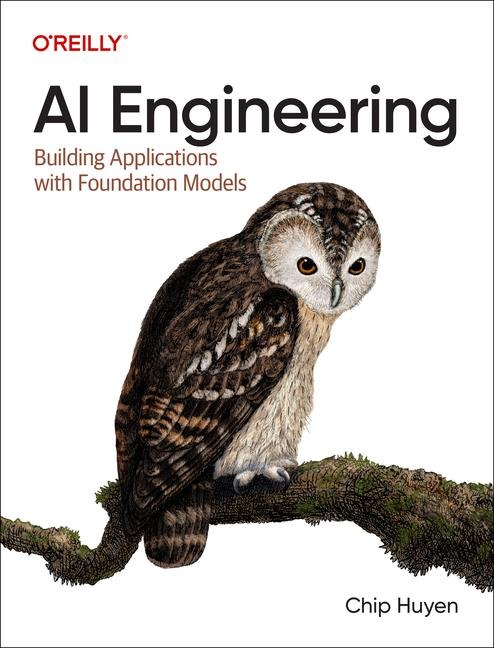
AI Engineering: Building Applications with Foundation Models
-25% koodilla BOOKS
Toimittajalla varastossa
TOP
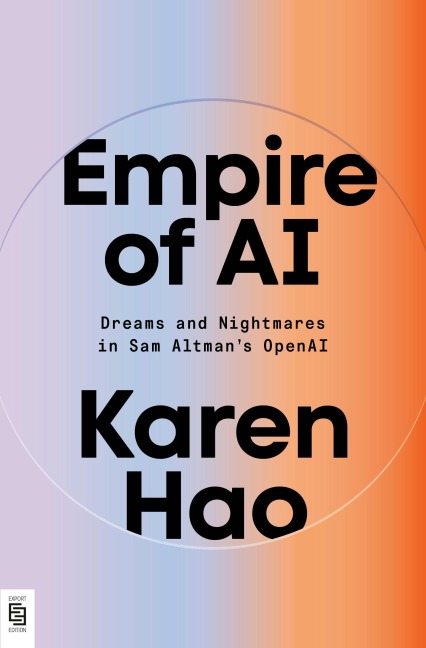
Empire of AI: Dreams and Nightmares in Sam Altman's OpenAI
-25% koodilla BOOKS
Toimittajalla varastossa
TOP
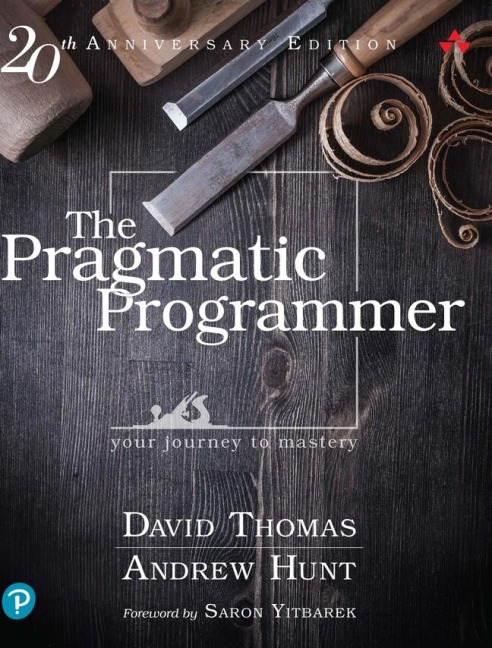
The Pragmatic Programmer: journey to mastery, 20th Anniversary Edition, 2/e: your journey to mastery, 20th Anniversary Edition
-25% koodilla BOOKS
Toimittajalla varastossa
TOP

The Rust Programming Language
Steve Klabnik, Carol Nichols, Chris Krycho
-25% koodilla BOOKS
Toimittajalla varastossa
TOP

How Linux Works: What Every Superuser Should Know
-25% koodilla BOOKS
Toimittajalla varastossa
TOP
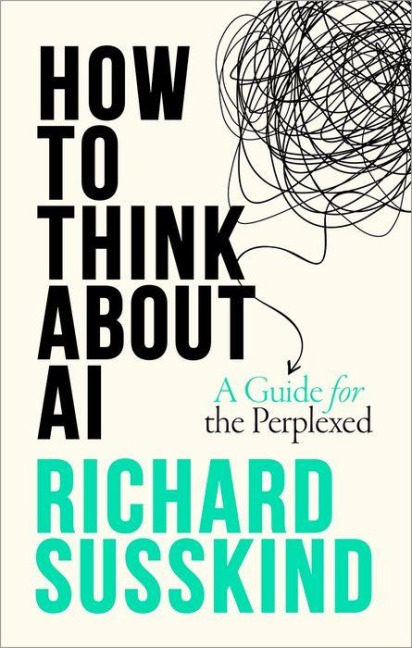
How To Think About AI: A Guide For The Perplexed
-25% koodilla BOOKS
Toimittajalla varastossa
TOP
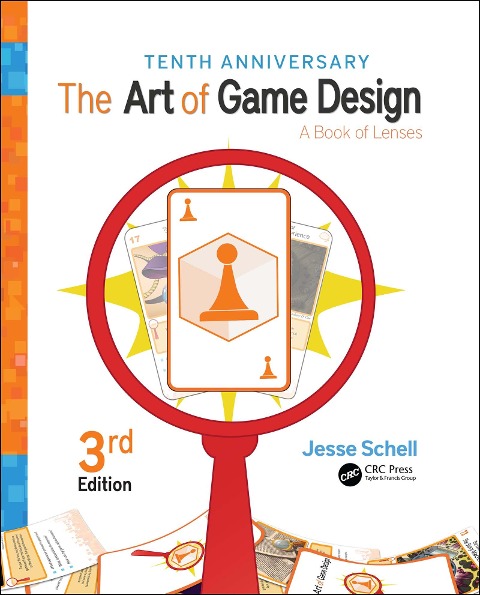
The Art of Game Design: A Book of Lenses
-25% koodilla BOOKS
Toimittajalla varastossa
TOP
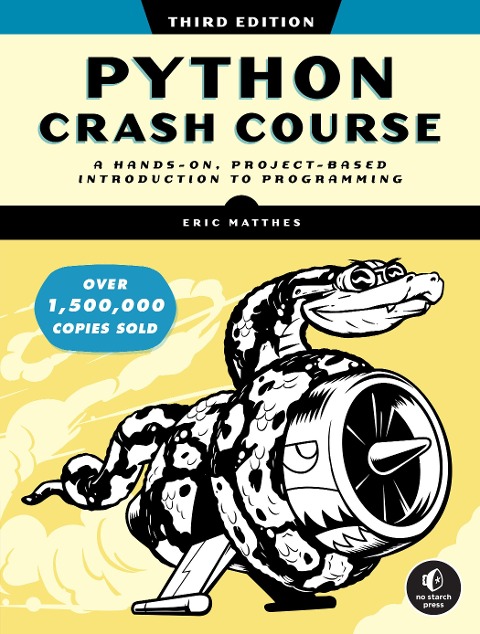
Python Crash Course: A Hands-On, Project-Based Introduction to Programming
-25% koodilla BOOKS
Toimittajalla varastossa
TOP
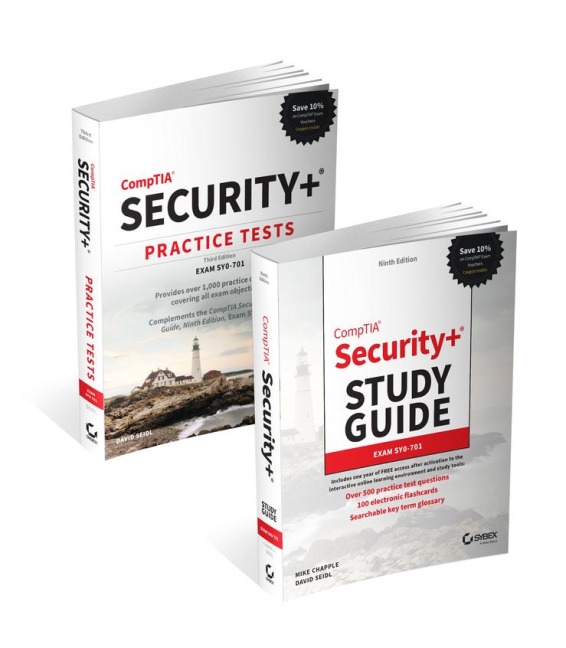
CompTIA Security+ Certification Kit: Exam SY0-701
-25% koodilla BOOKS
Toimittajalla varastossa
TOP
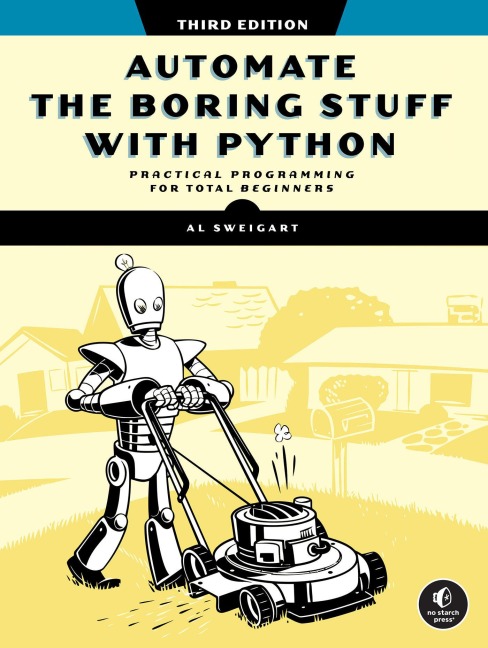
Automate the Boring Stuff with Python
-25% koodilla BOOKS
Toimittajalla varastossa
TOP
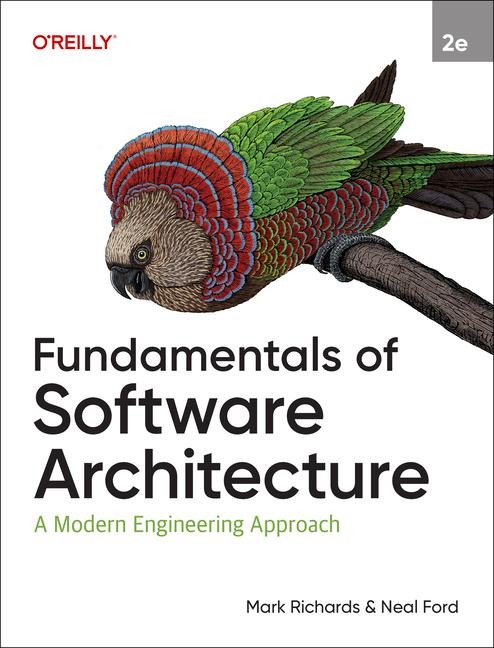
Fundamentals of Software Architecture: A Modern Engineering Approach
-25% koodilla BOOKS
Toimittajalla varastossa
TOP
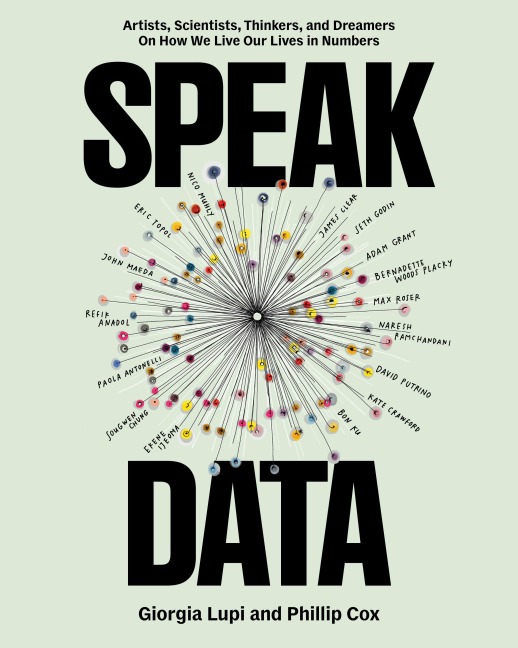
Speak Data: Artists, Scientists, Thinkers, and Dreamers on How We Live Our Lives in Numbers
-25% koodilla BOOKS
Toimittajalla varastossa
TOP

Hacking: The Art of Exploitation
-25% koodilla BOOKS
Toimittajalla varastossa
TOP
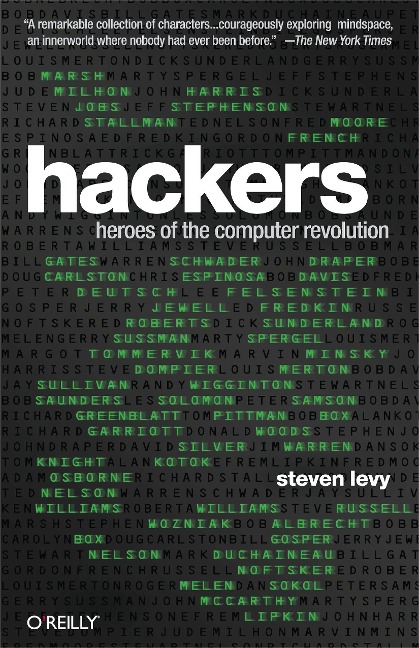
Hackers. 25th Anniversary Edition: Heroes of the Computer Revolution
-25% koodilla BOOKS
Toimittajalla varastossa
TOP

Deep Learning
Ian Goodfellow, Yoshua Bengio, Aaron Courville
-25% koodilla BOOKS
Toimittajalla varastossa
TOP

Proofs from THE BOOK
Martin Aigner, Günter M. Ziegler
-25% koodilla BOOKS
Toimittajalla varastossa
TOP
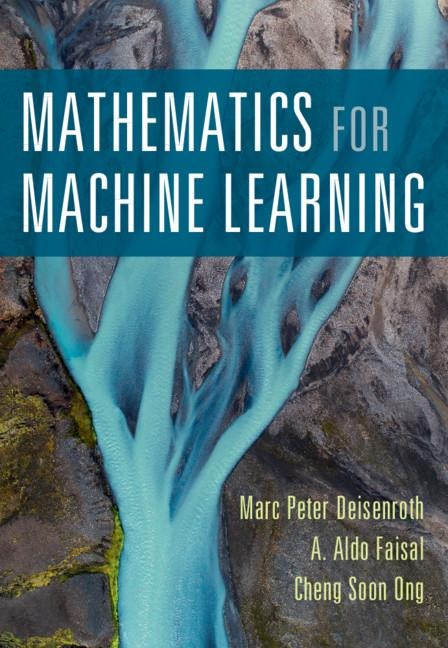
Mathematics for Machine Learning
Cheng Soon Ong, A. Aldo Faisal, Marc Peter Deisenroth
-25% koodilla BOOKS
Toimittajalla varastossa
TOP
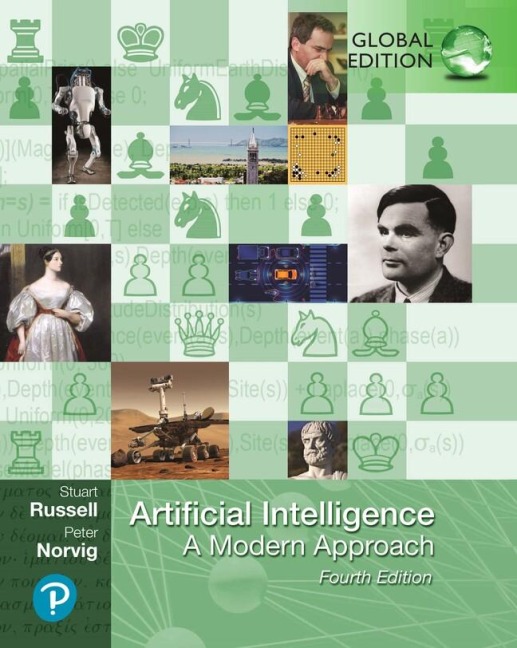
Artificial Intelligence: A Modern Approach, Global Edition
-25% koodilla BOOKS
Toimittajalla varastossa
TOP
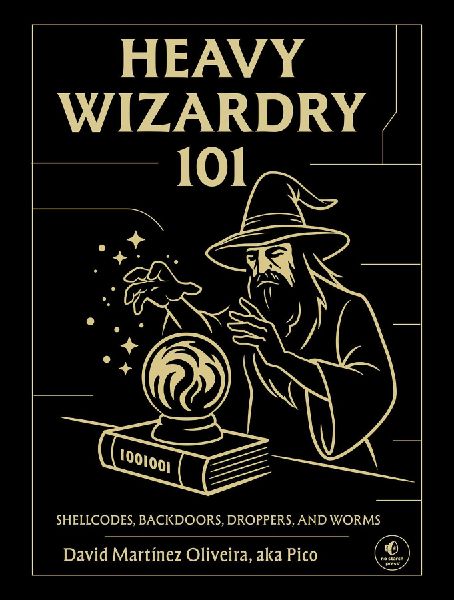
Heavy Wizardry 101: Shellcodes, Backdoors, Droppers, and Worms
-25% koodilla BOOKS
Loppu
Kuvaus
Lisätietoja
| Julkaisija | OmniScriptum |
|---|---|
| Julkaisuvuosi | 2026 |
| Kannen tyyppi | Pehmeäkantinen |
| EAN | 9786133698789 |