
Mining, the Environment, and Indigenous Development Conflicts - Saleem H. Ali

-35% koodilla BOOKS
Toimitus 10-16 arkipäivässä
30 päivän palautusoikeus
From sun-baked Black Mesa to the icy coast of Labrador, native lands for decades have endured mining ventures that have only lately been subject to environmental laws and a recognition of treaty rights. Yet conflicts surrounding mining development and indigenous peoples continue to challenge policy-makers. This book gets to the heart of resource conflicts and environmental impact assessment by asking why in ... Täydellinen kuvaus
Saatat myös pitää
 TOP
TOP

The Culture Map: Breaking Through the Invisible Boundaries of Global Business
-35% koodilla BOOKS
Varastossa
TOP

Atomic Habits: An Easy & Proven Way to Build Good Habits & Break Bad Ones
-35% koodilla BOOKS
Varastossa
TOP

Women Who Run with the Wolves: Myths and Stories of the Wild Woman Archetype
Clarissa Pinkola Estés, Clarissa Pinkola Estes
-35% koodilla BOOKS
Toimittajalla varastossa
TOP

How Democracies Die
Steven Levitsky, Daniel Ziblatt
-35% koodilla BOOKS
Toimittajalla varastossa
 TOP
TOP

Prisoners of Geography: Updated 10th Anniversary Edition: Ten Maps That Tell You Everything You Need To Know About Global Politics
-35% koodilla BOOKS
Toimittajalla varastossa
TOP


Classic Football Shirts
Classic Football Shirts, Rory Smith
-35% koodilla BOOKS
Toimittajalla varastossa
 TOP
TOP

The Whole-Brain Child: 12 Revolutionary Strategies to Nurture Your Child's Developing Mind
Daniel J. Siegel, Tina Payne Bryson
-35% koodilla BOOKS
Toimittajalla varastossa

 TOP
TOP

Braiding Sweetgrass: Indigenous Wisdom, Scientific Knowledge and the Teachings of Plants
-35% koodilla BOOKS
Toimittajalla varastossa
TOP
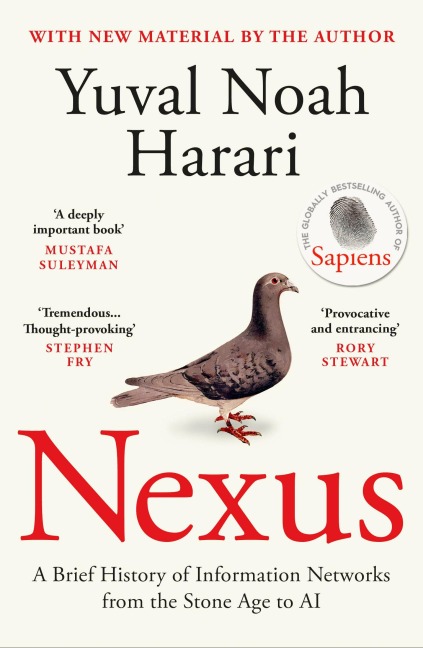
Nexus: A Brief History of Information Networks from the Stone Age to AI
-35% koodilla BOOKS
Toimittajalla varastossa
 TOP
TOP

To Kill a Mockingbird. 60th Anniversary Edition
-35% koodilla BOOKS
Toimittajalla varastossa
TOP
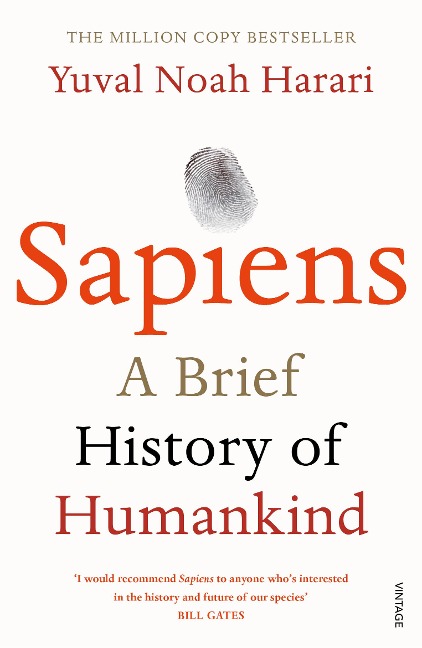
Sapiens: A Brief History of Humankind
-35% koodilla BOOKS
Toimittajalla varastossa
 TOP
TOP

Caliban and the Witch: Women, the Body and Primitive Accumulation
-35% koodilla BOOKS
Toimittajalla varastossa
TOP

Breaking Through: My Life in Science
-35% koodilla BOOKS
Toimittajalla varastossa
TOP

The Will to Change: Men, Masculinity, and Love
-35% koodilla BOOKS
Toimittajalla varastossa
Kuvaus
This book gets to the heart of resource conflicts and environmental impact assessment by asking why indigenous communities support environmental causes in some cases of mining development but not in others. Saleem Ali examines environmental conflicts between mining companies and indigenous communities and with rare objectivity offers a comparative study of the factors leading to those conflicts.
Mining, the Environment, and Indigenous Development Conflicts presents four cases from the United States and Canada: the Navajos and Hopis with Peabody Coal in Arizona; the Chippewas with the Crandon Mine proposal in Wisconsin; the Chipewyan Inuits, DŽnŽ and Cree with Cameco in Saskatchewan; and the Innu and Inuits with Inco in Labrador. These cases exemplify different historical relationships with government and industry and provide an instance of high and low levels of Native resistance in each country. Through these cases, Ali analyzes why and under what circumstances tribes agree to negotiated mining agreements on their lands, and why some negotiations are successful and others not.
Ali challenges conventional theories of conflict based on economic or environmental cost-benefit analysis, which do not fully capture the dynamics of resistance. He proposes that the underlying issue has less to do with environmental concerns than with sovereignty, which often complicates relationships between tribes and environmental organizations. Activist groups, he observes, fail to understand such tribal concerns and often have problems working with tribes on issues where they may presume a common environmental interest.
This book goes beyond popular perceptions of environmentalism to provide a detailed picture of how and when the concerns of industry, society, and tribal governments may converge and when they conflict. As demands for domestic energy exploration increase, it offers clear guidance for such endeavors when native lands are involved.
Lisätietoja
| Kirjoittaja | Saleem H. Ali |
|---|---|
| Julkaisija | University of Arizona Press |
| Julkaisuvuosi | 2009 |
| Kannen tyyppi | Pehmeäkantinen |
| EAN | 9780816528790 |