
Piano Development L2 - Giovanni Andreani

-35% koodilla BOOKS
Toimitus 15-21 arkipäivässä
30 päivän palautusoikeus
Piano Development (PD) is, throughout the PMP Development Areas, the main framework around which all other Development Areas orbit; it has been conceived to help piano teachers achieve a profound view of their student's improvements while guiding them throughout the higher levels of piano playing. PD is divided into a first set of 20 levels and the student should be working on two different and consecutive ... Täydellinen kuvaus
Saatat myös pitää
 TOP
TOP

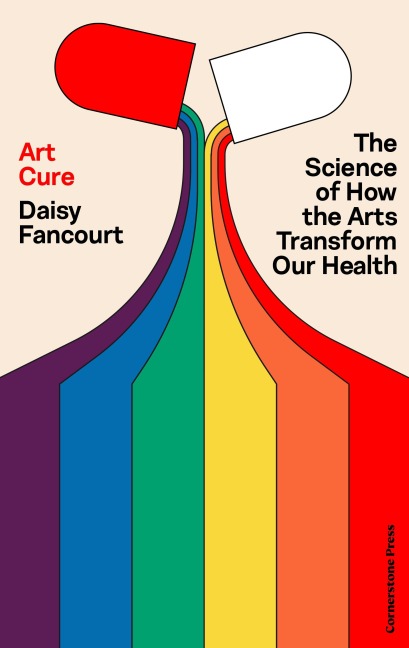
Art Cure: The Science of How the Arts Transform Our Health
-35% koodilla BOOKS
Toimittajalla varastossa
TOP

A Screaming Life: Into the Superunknown with Soundgarden and Beyond
-35% koodilla BOOKS
Toimittajalla varastossa
 TOP
TOP
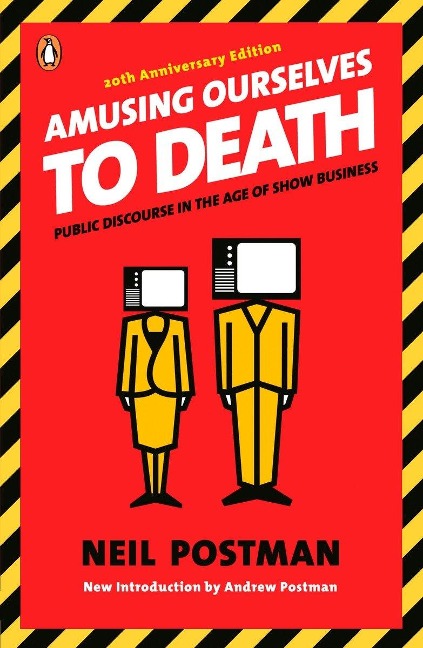
Amusing Ourselves to Death: Public Discourse in the Age of Show Business
-35% koodilla BOOKS
Toimittajalla varastossa
TOP

Born a Crime: Stories from a South African Childhood
-35% koodilla BOOKS
Varastossa
TOP

Mike Joyce - The Drums: A Times Book of the Year 2025
-35% koodilla BOOKS
Toimittajalla varastossa
TOP

Little Book of Cartier: The story of the iconic jewellery brand
-35% koodilla BOOKS
Toimittajalla varastossa
 TOP
TOP

A Man and His Watch: 76 of the World's Most Iconic Watches and Stories from the Men Who Wore Them
-35% koodilla BOOKS
Toimittajalla varastossa
TOP
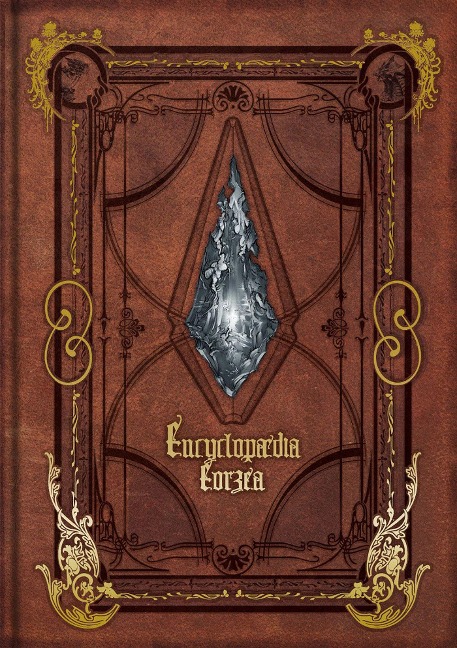
Encyclopaedia Eorzea ~The World of Final Fantasy XIV~ Volume I
-35% koodilla BOOKS
Toimittajalla varastossa
TOP

Silver Marilyn. Marilyn Monroe und die Kamera: Photographien 1945-1962
-35% koodilla BOOKS
Toimittajalla varastossa
TOP
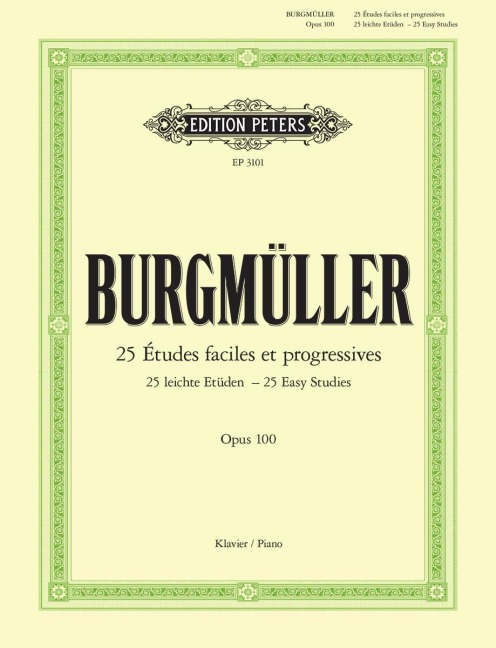
25 leichte Etüden: für Klavier op. 100
-35% koodilla BOOKS
Toimittajalla varastossa
 TOP
TOP
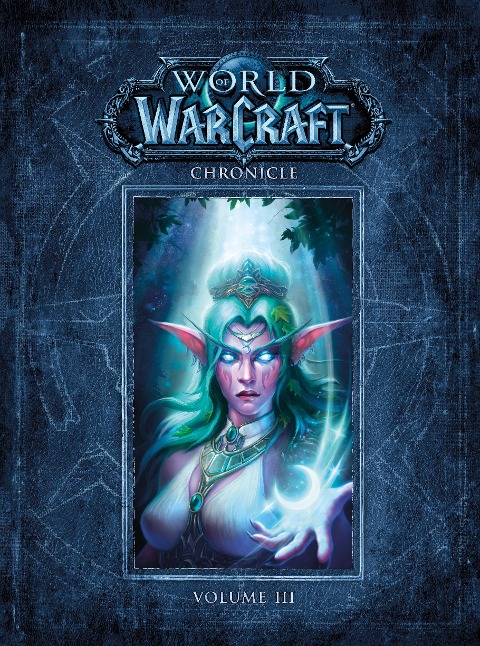
World of Warcraft Chronicle, Volume 3
-35% koodilla BOOKS
Toimittajalla varastossa
TOP

The Ride of a Lifetime: Lessons Learned from 15 Years as CEO of the Walt Disney Company
-35% koodilla BOOKS
Toimittajalla varastossa
 TOP
TOP

Before & Laughter: The hilarious guide to changing your life
-35% koodilla BOOKS
Toimittajalla varastossa
TOP

The Unofficial Ghibli Cookbook
-35% koodilla BOOKS
Toimittajalla varastossa
TOP
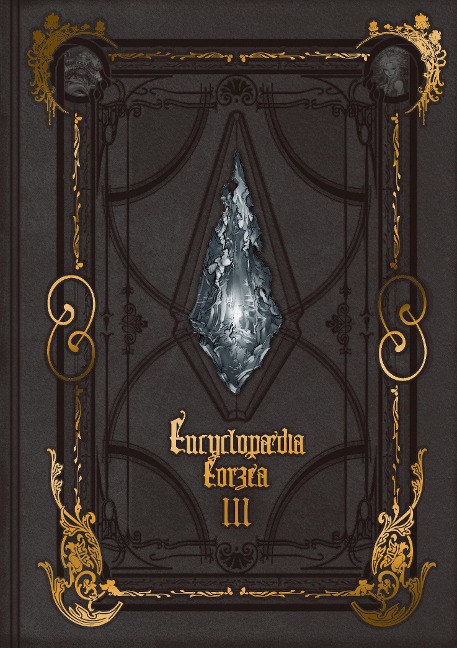
Encyclopaedia Eorzea ~The World of Final Fantasy XIV~ Volume III
-35% koodilla BOOKS
Toimittajalla varastossa
TOP

Mega Builds: Ten Colossal Construction Projects That Will Change Our World
-35% koodilla BOOKS
Toimittajalla varastossa
Kuvaus
Piano Development (PD) is, throughout the PMP Development Areas, the main framework around which all other Development Areas orbit; it has been conceived to help piano teachers achieve a profound view of their student's improvements while guiding them throughout the higher levels of piano playing. PD is divided into a first set of 20 levels and the student should be working on two different and consecutive levels at the same time. The general complexity expressed at each level of PD does not have to be comparable to the difficulty of other areas simultaneously studied, especially if related to repertoire. Indeed, the student may find him/herself studying a repertoire piece that is much more difficult than is expressed by the level required in PD. At this level all melodic lines are played by one hand at the time with no superimposition of a second melody or any other kind of melodic structure. Some piecese will be played exclusevely with one hand while others will require the use of both hands: in this case the melody will pass from one hand to the other; a dotted line connecting the melody through the two staves will help visualizing the correct melodic outline. A melodic line passing from one hand to the other can be found in many cases in the keyboard literature; as an example, the inner voice (or voices) from a fugue, generally with more than two parts, may be performed alternately by the two hands. When playing a melody without a contrapunctual line the student's inner hearing and sense of rhythm and control of durations4 will consistently develope; consequentely a sense of metre will strongly improve. By following the PMP principles the student will be working on PD L1 or PD L3 together with this level; in the latter case, the student will be dealing with a mixed set of pieces composed for two hands playing simultaneously as well as pieces for two hands performing one only melody. The introduction comprises directions for using this book, a description of all rhythmic patterns and time signatures found in the pieces and a description of the minimum prerequisites eventually needed for effectively starting this book. More specific direction for the teacher, related to a methodological approach to the pieces are also included; topics taken into consideration are: Accidentals Hand positions Metronome Finding hand positions and improvising prior to practicing each piece Improvising chamber music Key signatures Moving to a new piece Moving to a new level Monitoring
Lisätietoja
| Kirjoittaja | Giovanni Andreani |
|---|---|
| Julkaisija | GA |
| Series | Piano Method Project |
| Julkaisuvuosi | 2022 |
| Kannen tyyppi | Pehmeäkantinen |
| EAN | 9788831471015 |