
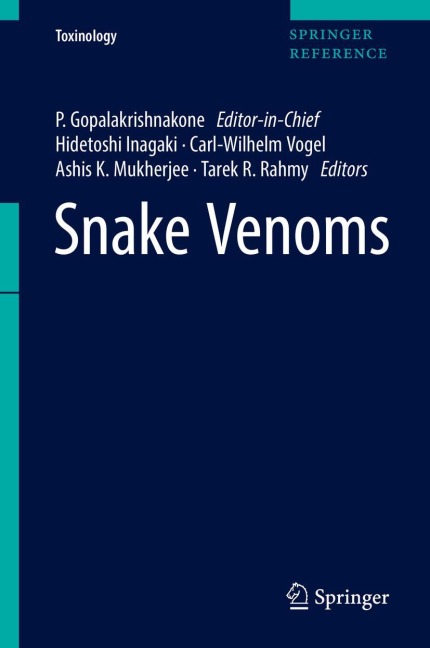
Snake Venoms -
-35% koodilla BOOKS
Toimitus 17-23 arkipäivässä
30 päivän palautusoikeus
Initially, because of the inadequate sensitivity of devices and other limitations, only major venom components of the dominant species were studied. However, in last two decades, increased sensitivity of devices and the development of new techniques, such as transcriptomics and proteomics techniques, have permitted us to analyze the structures and functions of rare species and to identify novel minor compon ... Täydellinen kuvaus
Saatat myös pitää
 TOP
TOP

The Myth of Normal: Trauma, Illness, and Healing in a Toxic Culture
-35% koodilla BOOKS
Varastossa
TOP

The Body Keeps the Score: Brain, Mind, and Body in the Healing of Trauma
-35% koodilla BOOKS
Toimittajalla varastossa
TOP
No Bad Parts: Healing Trauma and Restoring Wholeness with the Internal Family Systems Model
-35% koodilla BOOKS
Toimittajalla varastossa
TOP

On Connection: 'Powerful' MATT HAIG
-35% koodilla BOOKS
Toimittajalla varastossa
TOP

Oxford Handbook of Clinical Medicine
Peter Hateley, Iain McGurgan, Ian B. Wilkinson, Tim Raine, Dearbhla Kelly, Kate Wiles
-35% koodilla BOOKS
Toimittajalla varastossa
TOP
Harrison's Principles of Internal Medicine (Vol.1 & Vol.2)
Stephen Hauser, Joseph Loscalzo, Steven Holland, Dan Longo, J. Larry Jameson, Dennis Kasper, Carol Langford, Anthony Fauci
-35% koodilla BOOKS
Toimittajalla varastossa
TOP

The Checklist Manifesto: How to Get Things Right
-35% koodilla BOOKS
Toimittajalla varastossa
TOP
Oxford Handbook of Anaesthesia
-35% koodilla BOOKS
Toimittajalla varastossa
TOP

Maybe You Should Talk to Someone: a therapist, her thearapist, and our lives revealed
-35% koodilla BOOKS
Toimittajalla varastossa

 TOP
TOP

How Not To Die: Discover the foods scientifically proven to prevent and reverse disease
-35% koodilla BOOKS
Toimittajalla varastossa
TOP
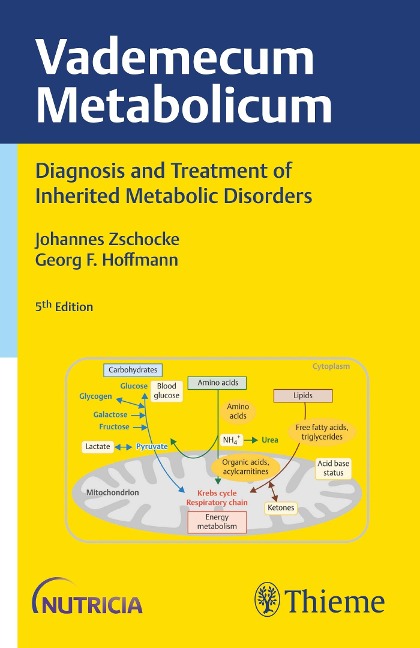
Vademecum Metabolicum: Diagnosis and Treatment of Inborn Errors of Metabolism Forword by William L. Nyhan, San Diego, USA
Johannes Zschocke, Georg F. Hoffmann
-35% koodilla BOOKS
Toimittajalla varastossa
TOP

Cellular and Molecular Immunology
Sarah Henrickson, Abul K. Abbas, Andrew H. Lichtman, Shiv Pillai
-35% koodilla BOOKS
Toimittajalla varastossa
TOP

McGee's Evidence-Based Physical Diagnosis
-35% koodilla BOOKS
Toimittajalla varastossa
TOP
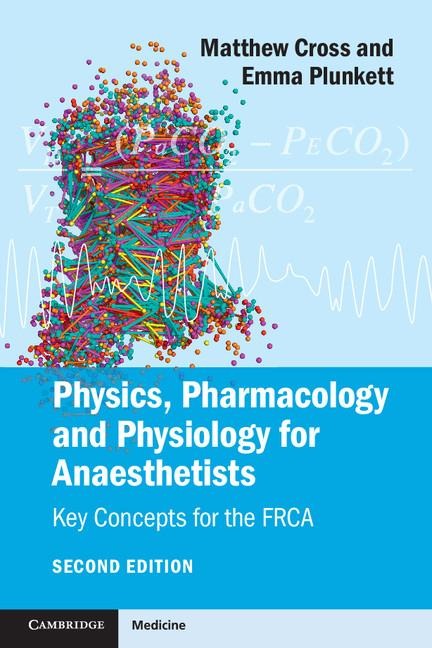
Physics, Pharmacology and Physiology for Anaesthetists: Key Concepts for the FRCA
Matthew E. Cross, Emma V. E. Plunkett
-35% koodilla BOOKS
Toimittajalla varastossa
TOP

Being Mortal: Medicine and What Matters in the End
-35% koodilla BOOKS
Toimittajalla varastossa
TOP
Pocket Guide to Teaching for Clinical Instructors
-35% koodilla BOOKS
Toimittajalla varastossa
TOP

Oxford Handbook of Critical Care
Andrew Webb, Mervyn Singer, Alice Carter
-35% koodilla BOOKS
Toimittajalla varastossa
TOP
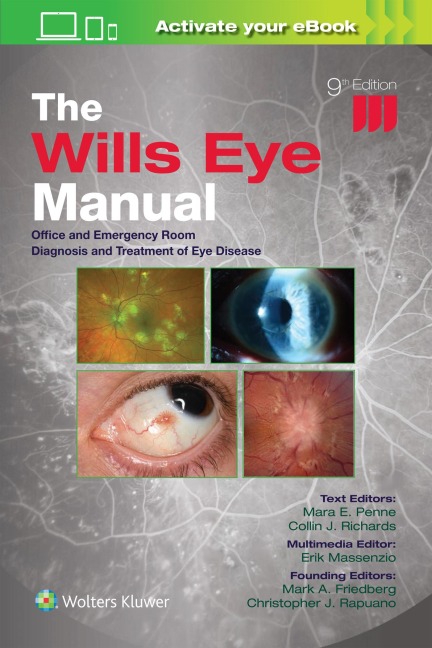
The Wills Eye Manual: Print + eBook with Multimedia: Office and Emergency Room Diagnosis and Treatment of Eye Disease
-35% koodilla BOOKS
Toimittajalla varastossa

Kuvaus
Initially, because of the inadequate sensitivity of devices and other limitations, only major venom components of the dominant species were studied. However, in last two decades, increased sensitivity of devices and the development of new techniques, such as transcriptomics and proteomics techniques, have permitted us to analyze the structures and functions of rare species and to identify novel minor components. As a result, the number of venom components identified is increasing dramatically and the physiological functions of each component is more deeply understood. The scope of this book provides the readers an updated and comprehensive presentation on snake venoms. The subjects are divided into six sections, starting with the overview of snake venom compositions in Malaysian species, followed by description of enzymes and enzyme inhibitors contained in snake venoms. Also discussed are the effects of snake venom on cellular receptors, ion channels, blood, and lymph, as well as cytotoxic and antimicrobial molecules present in snake venoms. The last section covers the clinical consequences of envenomation and the management of snakebites using antivenins.
Lisätietoja
| Julkaisija | Springer Netherlands |
|---|---|
| Julkaisuvuosi | 2017 |
| Kannen tyyppi | Kovakantinen |
| EAN | 9789400764095 |