
Structural insight into the Cpx-two-component system - Xiaohui Zhou

-35% koodilla BOOKS
Toimitus 15-21 arkipäivässä
30 päivän palautusoikeus
Two-component systems (TCSs) are the chief signal transduction systems used by bacteria for sensing their environment and auxiliary proteins provide response to additional stimuli. The Cpx pathway is one prevalent TCS in Gram¬negative bacteria which consists of the membrane integrated histidine kinase CpxA, the cytoplasmic response regulator CpxR and the periplasmic auxiliary CpxP protein. The Cpx pathway i ... Täydellinen kuvaus
Saatat myös pitää
 TOP
TOP

Determined: The Science of Life Without Free Will
-35% koodilla BOOKS
Toimittajalla varastossa
TOP

The Light Eaters: How the Unseen World of Plant Intelligence Offers a New Understanding of Life on Earth
-35% koodilla BOOKS
Toimittajalla varastossa
 TOP
TOP
Why We Sleep: Unlocking the Power of Sleep and Dreams
-35% koodilla BOOKS
Varastossa
TOP

The Rise and Fall of the Dinosaurs: A New History of a Lost World
-35% koodilla BOOKS
Toimittajalla varastossa
TOP
Biology: A Global Approach, Global Edition
Neil Campbell, Rebecca Orr, Lisa Urry, Peter Minorsky, Michael Cain, Jane Reece, Steven Wasserman
-35% koodilla BOOKS
Toimittajalla varastossa
TOP

Six Not-so-easy Pieces: Einstein's Relativity, Symmetry, and Space-Time
Richard P. Feynman, Robert B. Leighton, Matthew Sands
-35% koodilla BOOKS
Toimittajalla varastossa
TOP

Explaining AuDHD: The expert-led guide to Autism and ADHD Co-concurrence
-35% koodilla BOOKS
Toimittajalla varastossa
TOP

The Age of Alchemy: How Early Innovators Shaped Modern Chemistry
-35% koodilla BOOKS
Toimittajalla varastossa
TOP

Factfulness: Ten Reasons We're Wrong About the World--and Why Things Are Better Than You Think
Ola Rosling, Anna Rosling Rönnlund, Hans Rosling
-35% koodilla BOOKS
Toimittajalla varastossa
TOP
Why Machines Learn: The Elegant Maths Behind Modern AI
-35% koodilla BOOKS
Toimittajalla varastossa
TOP
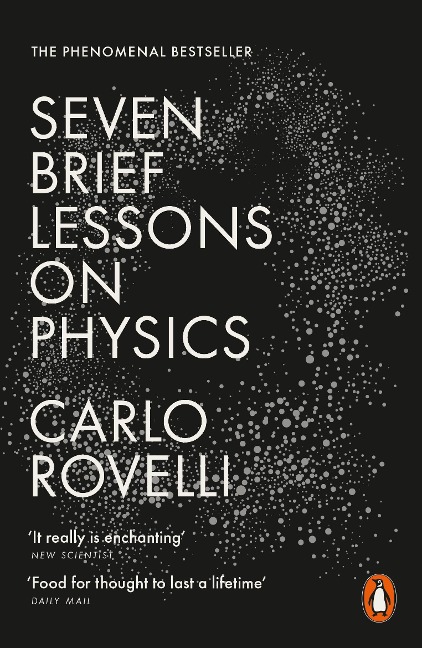
Seven Brief Lessons on Physics
-35% koodilla BOOKS
Toimittajalla varastossa
TOP
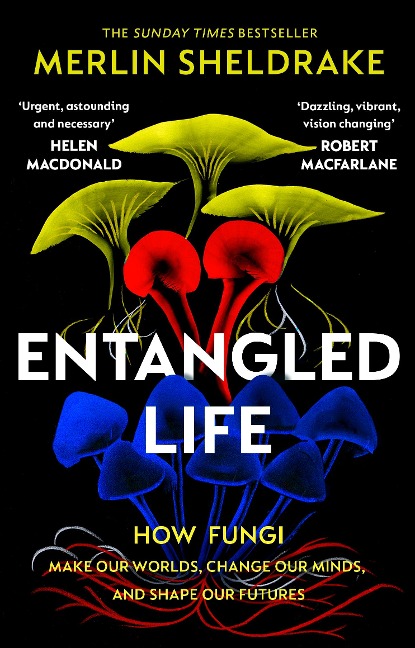
Entangled Life: How Fungi Make Our Worlds, Change Our Minds and Shape Our Futures
-35% koodilla BOOKS
Toimittajalla varastossa
TOP

Life As No One Knows It: The Physics of Life's Emergence
-35% koodilla BOOKS
Toimittajalla varastossa
TOP
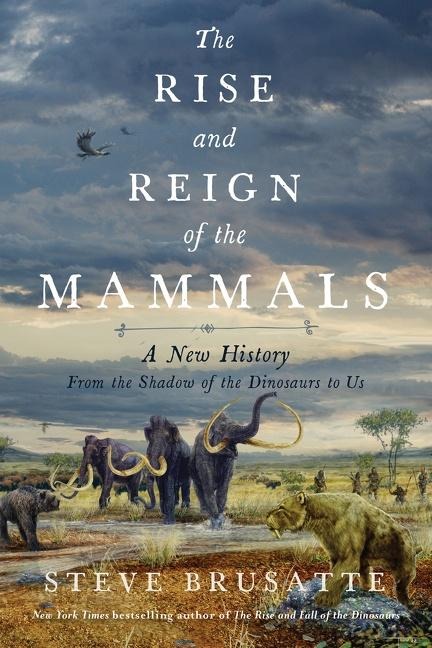
The Rise and Reign of the Mammals: A New History, from the Shadow of the Dinosaurs to Us
-35% koodilla BOOKS
Toimittajalla varastossa
TOP

Molecular Biology of the Cell
David Morgan, Alexander Johnson, Rebecca Heald, Bruce Alberts, Martin Raff
-35% koodilla BOOKS
Toimittajalla varastossa
TOP
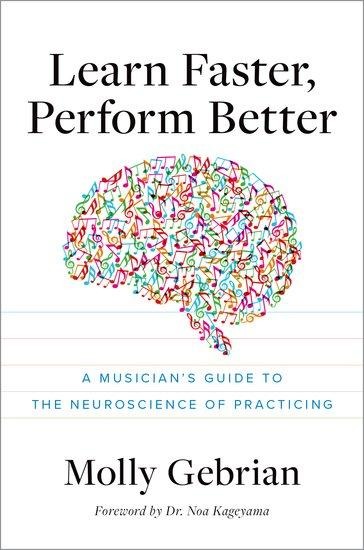
Learn Faster, Perform Better: A Musician's Guide to the Neuroscience of Practicing
-35% koodilla BOOKS
Toimittajalla varastossa
TOP

Janeway's Immunobiology
Leslie J. Berg, Kenneth Murphy, Casey Weaver
-35% koodilla BOOKS
Toimittajalla varastossa
TOP
The Road to Reality: A Complete Guide to the Laws of the Universe
-35% koodilla BOOKS
Toimittajalla varastossa
TOP
The Brain That Changes Itself: Stories of Personal Triumph from the Frontiers of Brain Science
-35% koodilla BOOKS
Toimittajalla varastossa
Kuvaus
Two-component systems (TCSs) are the chief signal transduction systems used by bacteria for sensing their environment and auxiliary proteins provide response to additional stimuli. The Cpx pathway is one prevalent TCS in Gram¬negative bacteria which consists of the membrane integrated histidine kinase CpxA, the cytoplasmic response regulator CpxR and the periplasmic auxiliary CpxP protein. The Cpx pathway is activated by different signals that typically emerge during infection such as elevated pH, increased osmolarity, surface contact and accumulation of adhesin subunits. After induction, CpxA autophosphorylates, activates CpxR by phosphorylation and CpxR~P finally acts as a transcription regulator of target genes. It was known from other studies that the auxiliary CpxP protein inhibits CpxA autophosphorylation presumably by direct protein-protein interaction and that CpxP supports degradation of P pili that are crucial for uropathogenic Escherichia coli during kidney colonization. However, it was not clear how these two important biological functions of CpxP are linked. In this study, the crystal structure of the bifunctional auxiliary CpxP protein was solved at 1.45 Å of resolution. Two monomers displaying a novel fold are interdigitated like ¿left hands¿ forming a cap-shaped dimer. Each monomer is strengthened by double hydrogen bonds between two highly conserved LTxxQ repeat motifs. Based on the combined structural and functional studies we propose that CpxP inhibits its cognate histidine sensor kinase CpxA through direct interaction between its concave polar surface and the negatively charged sensor domain on CpxA. Sensing misfolded pilus subunits by direct interaction with an elongated hydrophobic cleft on the convex surface induces the release of CpxP from CpxA. Due to their central role in bacterial virulence regulation and their absence in animals including human beings, TCSs have been suggested as targets for antimicrobials. Blocking protein-protein interaction between CpxP and pili would prevent the formation of the essential biogenesis and quality control system of pili and consequently prevent adhesion. Thus, the structural details from this study highlight CpxP as a future target for antimicrobials against a TCS acting from the exterior of the bacterial cell.
Lisätietoja
| Kirjoittaja | Xiaohui Zhou |
|---|---|
| Julkaisija | Cuvillier |
| Julkaisuvuosi | 2011 |
| Kannen tyyppi | Pehmeäkantinen |
| EAN | 9783869556413 |