
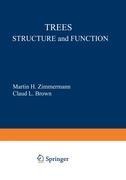
Trees: Structure and Function - M. H. Zimmermann,C. L. Brown
-25% koodilla BOOKS
Toimitus 12-18 arkipäivässä
30 päivän palautusoikeus
Trees have the distinction of being the largest and oldest living organisms on earth. Although the herbaceous habit has made unprecedented evolutionary gains since the middle and late Cenozoic, trees still are the most conspicuous plants covering the habitable land surface of the earth. Man has long sought their shelter and protection, utilized their food and fiber, and often exploited them to his own detri ... Täydellinen kuvaus
Saatat myös pitää
 TOP
TOP

Six Not-so-easy Pieces: Einstein's Relativity, Symmetry, and Space-Time
Richard P. Feynman, Robert B. Leighton, Matthew Sands
-25% koodilla BOOKS
Toimittajalla varastossa
TOP

Six Easy Pieces: Essentials of Physics Explained by Its Most Brilliant Teacher
Richard P. Feynman, Robert B. Leighton, Matthew Sands
-25% koodilla BOOKS
Toimittajalla varastossa
TOP
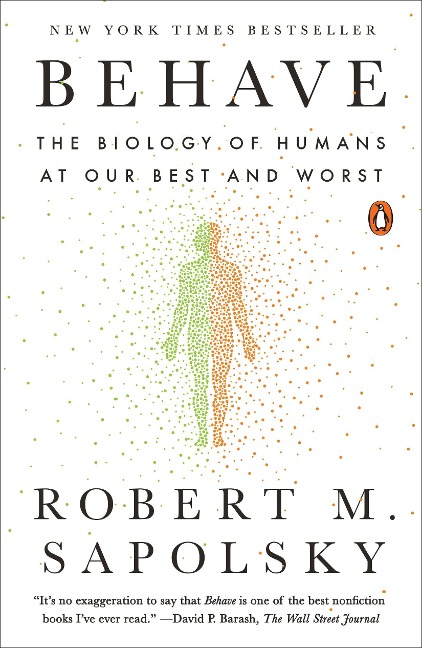
Behave: The Biology of Humans at Our Best and Worst
-25% koodilla BOOKS
Toimittajalla varastossa
TOP

Determined: The Science of Life Without Free Will
-25% koodilla BOOKS
Toimittajalla varastossa
 TOP
TOP


Beyond Inheritance: Our Ever-Mutating Cells and a New Understanding of Health
-25% koodilla BOOKS
Toimittajalla varastossa
TOP

The Age of Alchemy: How Early Innovators Shaped Modern Chemistry
-25% koodilla BOOKS
Toimittajalla varastossa
TOP

The Secrets of our DNA: How Genetics has Changed the World
-25% koodilla BOOKS
Toimittajalla varastossa
TOP

Why We Sleep: Unlocking the Power of Sleep and Dreams
-25% koodilla BOOKS
Varastossa
TOP
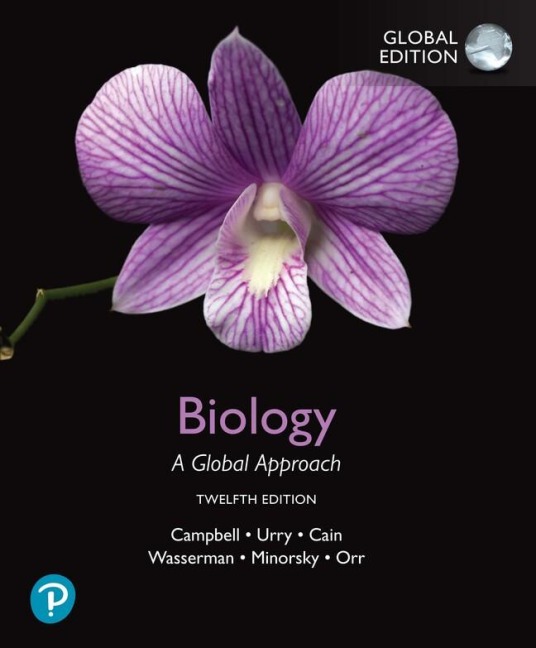
Biology: A Global Approach, Global Edition
Neil Campbell, Rebecca Orr, Lisa Urry, Peter Minorsky, Michael Cain, Jane Reece, Steven Wasserman
-25% koodilla BOOKS
Toimittajalla varastossa
TOP
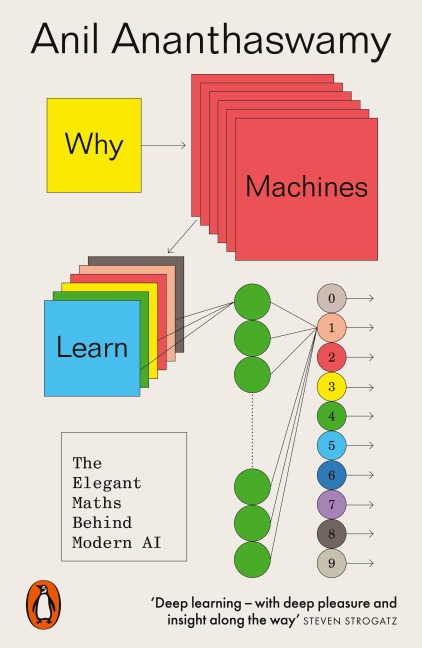
Why Machines Learn: The Elegant Maths Behind Modern AI
-25% koodilla BOOKS
Toimittajalla varastossa
TOP

A Short History of Nearly Everything 2.0
-25% koodilla BOOKS
Toimittajalla varastossa
TOP

Astrophysics for People in a Hurry: Essays on the Universe and Our Place Within It
-25% koodilla BOOKS
Toimittajalla varastossa
TOP
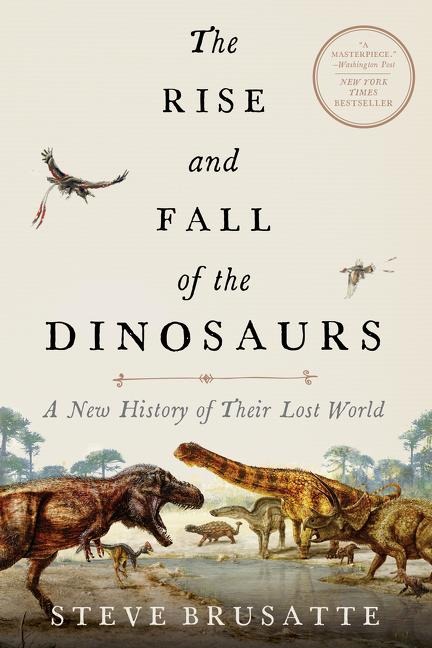
The Rise and Fall of the Dinosaurs: A New History of a Lost World
-25% koodilla BOOKS
Toimittajalla varastossa
TOP
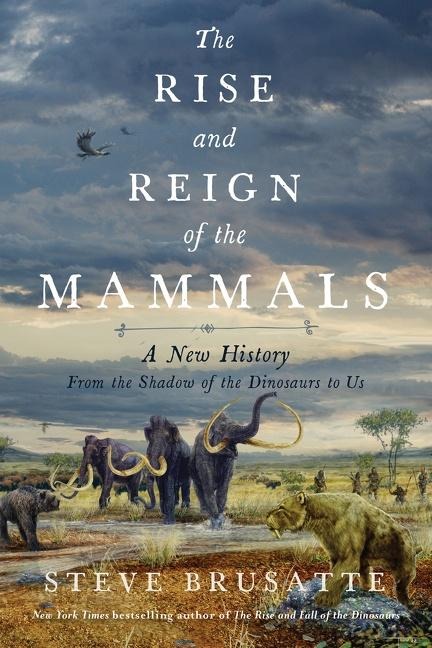
The Rise and Reign of the Mammals: A New History, from the Shadow of the Dinosaurs to Us
-25% koodilla BOOKS
Toimittajalla varastossa
TOP

Learn Faster, Perform Better: A Musician's Guide to the Neuroscience of Practicing
-25% koodilla BOOKS
Toimittajalla varastossa
TOP

A Brief History of Time: From the Big Bang to Black Holes
-25% koodilla BOOKS
Toimittajalla varastossa
 TOP
TOP

Thing Explainer: Complicated Stuff in Simple Words
-25% koodilla BOOKS
Toimittajalla varastossa
TOP

Introduction to Quantum Mechanics
Darrell F. Schroeter, David J. Griffiths
-25% koodilla BOOKS
Toimittajalla varastossa
Kuvaus
Trees have the distinction of being the largest and oldest living organisms on earth. Although the herbaceous habit has made unprecedented evolutionary gains since the middle and late Cenozoic, trees still are the most conspicuous plants covering the habitable land surface of the earth. Man has long sought their shelter and protection, utilized their food and fiber, and often exploited them to his own detriment. Trees have always been of much interest to botanists, and many of the early investigations concerning the structure and function of plants were conducted with trees. At the beginning of the present century the use of trees for basic investigations began to decline. The reasons for this are obvious. Investigations of structure and function began to shift from whole organisms to tissues, then to individual cells, and finally to cellular organelles and subcellular particles. Physiological research became increasingly more detailed and complex, requiring more and more precisely controlled laboratory conditions. Hence, a relatively small number of herbaceous plants, various unicellular algae, fungi, and bacteria have become standard research material in most laboratories.
Lisätietoja
| Kirjoittaja | M. H. Zimmermann, C. L. Brown |
|---|---|
| Julkaisija | Springer Berlin Heidelberg |
| Series | Springer Study Edition |
| Julkaisuvuosi | 1975 |
| Kannen tyyppi | Pehmeäkantinen |
| EAN | 9783540070634 |