
Rinnakkainen käsittely
Parallelliprosessointi tutkii, miten useita prosessoreita tai ydinprosessoriyksiköitä voi käyttää samanaikaisesti tehtävien suorittamiseen. Tämä aihe on keskeinen modernissa tietojenkäsittelytieteessä ja se tarjoaa syvällisiä näkemyksiä tehokkuuden parantamisesta ja suorituskyvyn lisäämisestä. Koska monimutkaiset laskentatehtävät kasvavat, parallelliprosessoinnin ymmärtäminen on elintärkeää opiskelijoille ja ammattilaisille, jotka haluavat pysyä ajan tasalla alan kehityksestä.
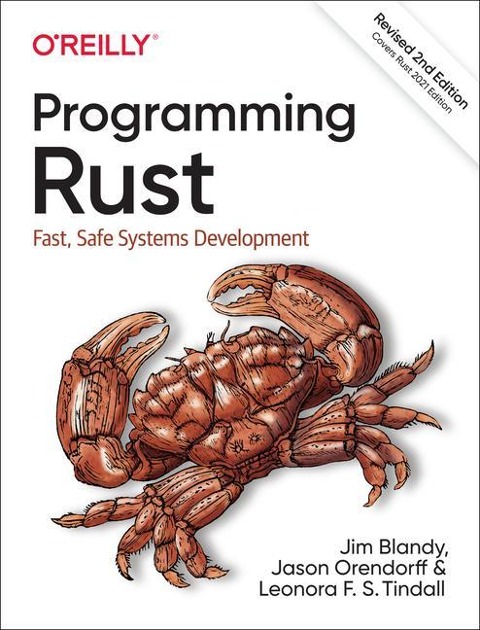
Programming Rust: Fast, Safe Systems Development
Leonora F. S. Tindall, Jason Orendorff, Jim Blandy
-25% koodilla BOOKS
Toimittajalla varastossa

Parallel and High Performance Programming with Python: Unlock parallel and concurrent programming in Python using multithreading, CUDA, Pytorch and Dask.
-25% koodilla BOOKS
Toimittajalla varastossa
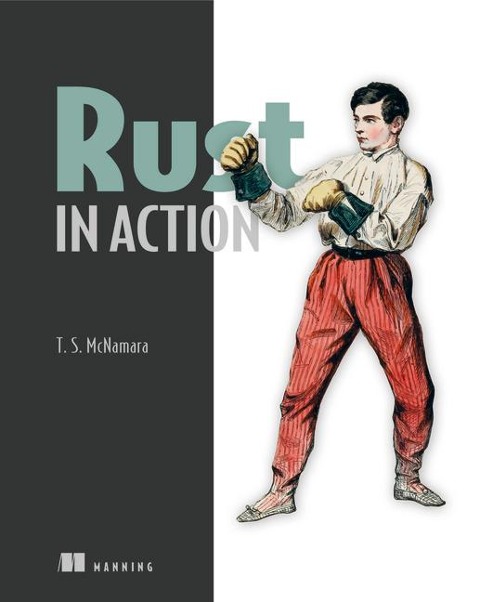
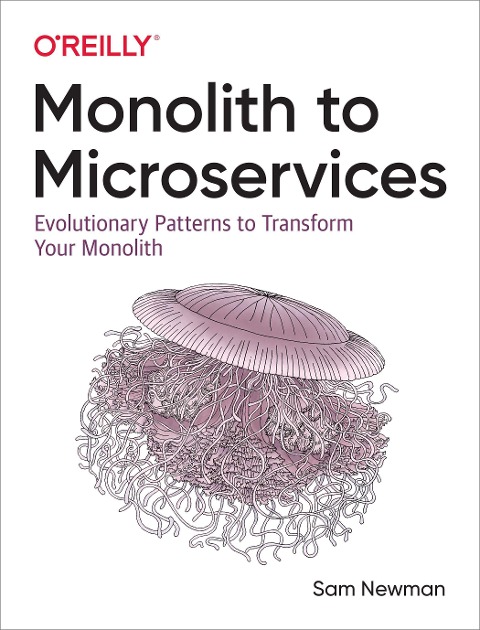
Monolith to Microservices: Evolutionary Patterns to Transform Your Monolith
-25% koodilla BOOKS
Toimittajalla varastossa
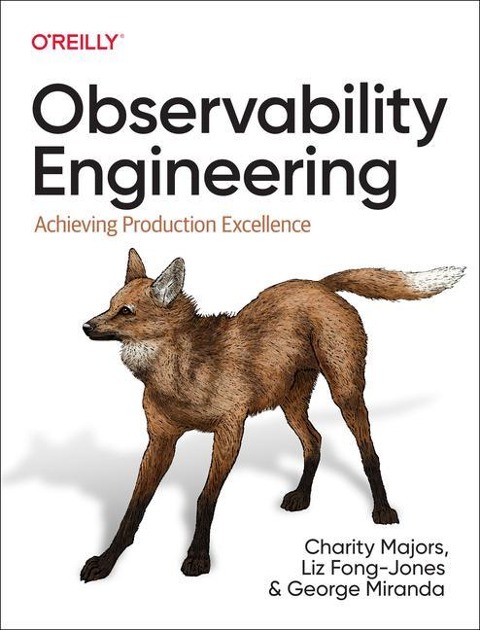
Observability Engineering: Achieving Production Excellence
George Miranda, Charity Majors, Liz Fong-Jones
-25% koodilla BOOKS
Toimittajalla varastossa


Specifying Systems: The TLA+ Language and Tools for Hardware and Software Engineers: The TLA+ Language and Tools for Hardware and Software Engineers
-25% koodilla BOOKS
Toimittajalla varastossa
Functional and Concurrent Programming: Core Concepts and Features
-25% koodilla BOOKS
Toimittajalla varastossa

Programming Massively Parallel Processors: A Hands-on Approach
Izzat El Hajj, Wen-Mei W. Hwu, David B. Kirk
-25% koodilla BOOKS
Toimittajalla varastossa
Cuda by Example: An Introduction to General-Purpose Gpu Programming
-25% koodilla BOOKS
Toimittajalla varastossa
Specifying Systems: The TLA+ Language and Tools for Hardware and Software Engineers: The TLA+ Language and Tools for Hardware and Software Engineers
-25% koodilla BOOKS
Toimittajalla varastossa

Python Parallel Programming Cookbook
-25% koodilla BOOKS
Toimittajalla varastossa

Programming Models for Parallel Computing
-25% koodilla BOOKS
Toimittajalla varastossa

Mastering C# Concurrency
Andrew Koryavchenko, Eugene Agafonov
-25% koodilla BOOKS
Toimittajalla varastossa
Hands-On GPU-Accelerated Computer Vision with OpenCV and CUDA
-25% koodilla BOOKS
Toimittajalla varastossa
Formal and Adaptive Methods for Automation of Parallel Programs Construction: Emerging Research and Opportunities
Anatoliy Doroshenko, Olena Yatsenko
-25% koodilla BOOKS
Toimittajalla varastossa
Formal and Adaptive Methods for Automation of Parallel Programs Construction: Emerging Research and Opportunities
Anatoliy Doroshenko, Olena Yatsenko
-25% koodilla BOOKS
Toimittajalla varastossa

iPhone 6s Plus: The Ultimate Guide to Revolutionizing Your iPhone Mobile
-25% koodilla BOOKS
Toimittajalla varastossa
Multicore and GPU Programming: An Integrated Approach
-25% koodilla BOOKS
Toimittajalla varastossa
Implementing Parallel and Distributed Systems
M. B. Ghaznavi-Ghoushchi, Alireza Poshtkohi
-25% koodilla BOOKS
Toimittajalla varastossa

Rust In Practice: A Programmers Guide to Build Rust Programs, Test Applications and Create Cargo Packages
Ralph J, Rustacean Team, B. Anderson
-25% koodilla BOOKS
Toimittajalla varastossa

Practical Rust 1.x Cookbook: 100+ Solutions across Command Line, CI/CD, Kubernetes, Networking, Code Performance and Microservices
-25% koodilla BOOKS
Toimittajalla varastossa

Parallel Python with Dask: Perform distributed computing, concurrent programming and manage large dataset
-25% koodilla BOOKS
Toimittajalla varastossa

Diving Into Parallel Universes: Reality Reimagined
-25% koodilla BOOKS
Toimittajalla varastossa
Optimizing Compilers for Modern Architectures: A Dependence-Based Approach
-25% koodilla BOOKS
Toimittajalla varastossa
The Sourcebook of Parallel Computing
-25% koodilla BOOKS
Toimittajalla varastossa
The Grid 2: Blueprint for a New Computing Infrastructure
-25% koodilla BOOKS
Toimittajalla varastossa
Luokka "Rinnakkainen käsittely"
Parallel processing on a computing level represents a significant evolution in how tasks are handled, allowing multiple operations to happen simultaneously. This category is designed for anyone interested in enhancing their understanding of computer architecture and logic design, whether they are students, educators, or seasoned professionals in the field of computer science.
The concept dates back to the early days of computing but has gained substantial momentum with the advent of multi-core processors and advanced algorithms. By exploring the principles of parallel processing, readers can uncover the potential to optimize performance in various applications, from high-performance computing to data-intensive workloads.
Books within this category delve into crucial topics such as task scheduling, workload distribution, and the architectural designs that enable efficient parallelism. Understanding these principles is pivotal for anyone looking to stay competitive in an ever-evolving technological landscape.
Engaging with works from renowned authors and publishers in this discipline not only sheds light on the technical aspects but also offers insights into groundbreaking research and practical implementations. Parallel processing is not merely an academic subject; it represents real-world applications that contribute to innovations across industries, making this knowledge invaluable for future developments in computing.